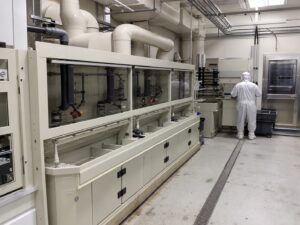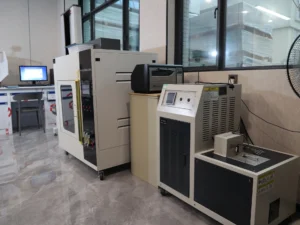
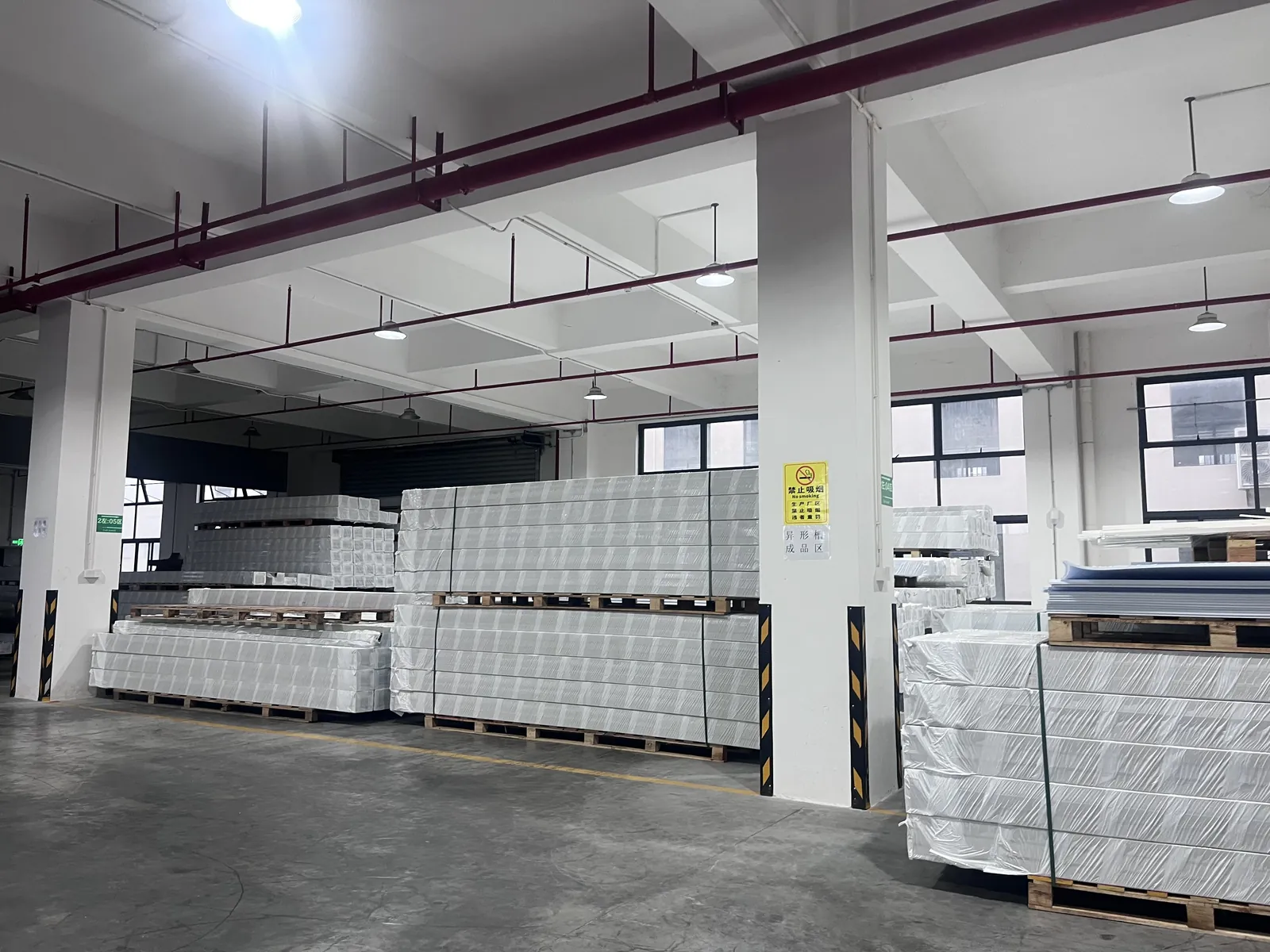
PP sheet storage affects the condition of a panel before cutting, machining, or welding begins. Keep the project record with the sheet: component name, drawing revision, requested dimensions, material question, and inspection point. Store panels on a flat, supported surface and avoid treating storage practice as a substitute for a defined acceptance condition. QEEHUA can review the requested product and sample purpose, while storage duration, environment, panel condition, and release criteria still need to be agreed for the project.
PP sheet storage and handling should be reviewed against the documented project duty, drawings, fabrication scope, material records, and acceptance requirements.
Project brief
PP sheet storage and handling: project review
Use the documented project requirements to compare the relevant material, fabrication, and quality-control inputs before release.
A delivery may contain panels for several parts or drawing revisions. Identify the panels before the first cut. A simple label that links the sheet to the drawing, component, and inspection status prevents an earlier sample or a different panel from being used by mistake.
Use the QEEHUA PP sheet range with the component record. The industry applications page can help the buyer place the request in an equipment context, but the drawing and actual duty remain the project evidence.
Give the project file a short decision statement. It should say what is being selected, what condition controls the review, and what evidence will close the item. This is more useful than copying a material label into several documents. A buyer, fabricator, and inspector can then see the same scope without filling gaps from memory.
Decision inputs
The storage plan should account for the panel dimensions, support points, time before fabrication, handling route, installation environment, and surface requirement. Do not assume that a material data-sheet property answers a question about storage damage, flatness after storage, or the condition of a finished part. Those require the project acceptance criteria.
Write known values and unknown values separately. The material review needs a clear record of the proposed component, the service condition, the dimensions, and the fabrication route. A missing requirement should trigger a question, not a typical assumption.
Check for conditions that are easy to miss in a short quotation request. A local load near an opening, a cleaning cycle, a transition between materials, a support point, or a change after installation can matter more than a headline property value. Put the condition next to the relevant component instead of adding it as a broad note for the whole project.
Data for review
The following data are relevant to the material-review discussion. Each value belongs to the tested sample and stated method. None of these entries is a saleable-grade specification, finished-part calculation, or order tolerance.
| Property | Reported value | Sample and condition | Method |
|---|---|---|---|
| Density | 912 kg/m³ | Tested QEEHUA PP sheet sample; production grade and conditioning are not stated | ASTM D792-20 |
| Tensile strength | 30 MPa | Tested QEEHUA PP sheet sample; production grade and conditioning are not stated | ASTM D638-22 |
| Flexural test | 1,870 MPa | Tested QEEHUA PP sheet sample; production grade and conditioning are not stated | ASTM D790-25 |
| Izod notched impact strength | 59 J/m | Tested QEEHUA PP sheet sample; the data sheet records J/m C notation | ASTM D256-24 |
These values are reported for a tested sample in the QEEHUA data sheet. Confirm the grade, thickness, drawing, chemical medium where relevant, operating conditions, and project acceptance requirements before final selection.
Read each number as a bounded result. The method tells the reader how the value was obtained. The sample note tells the reader what was tested. The project record tells the reader whether the result is relevant to a wall, cover, cut part, joint, support, or another equipment feature. Removing any one of those parts makes the number easier to repeat and easier to misuse.
Keep a document-control check before the purchase release. Confirm that the data sheet, drawing, request, and sample record are the current versions. A material result can stay unchanged while the component geometry, duty, or fabrication plan changes. The project review must follow the changed condition, not merely the document title.
Ask one final question before release: which requirement would make this proposed sheet or part unacceptable for this job? Put that requirement in the record with a named check. It may be a drawing feature, operating condition, sample result, inspection point, or document that still needs confirmation.
For general method context, see OSHA storage requirements and ISO 291 conditioning principles. These sources explain standard practice only. They do not state a QEEHUA certification or add a product claim beyond the internal data record.
For a related project question, see the related QEEHUA Knowledge guide and the project review article. Keep each article attached to the specific decision it addresses.
Fabrication record
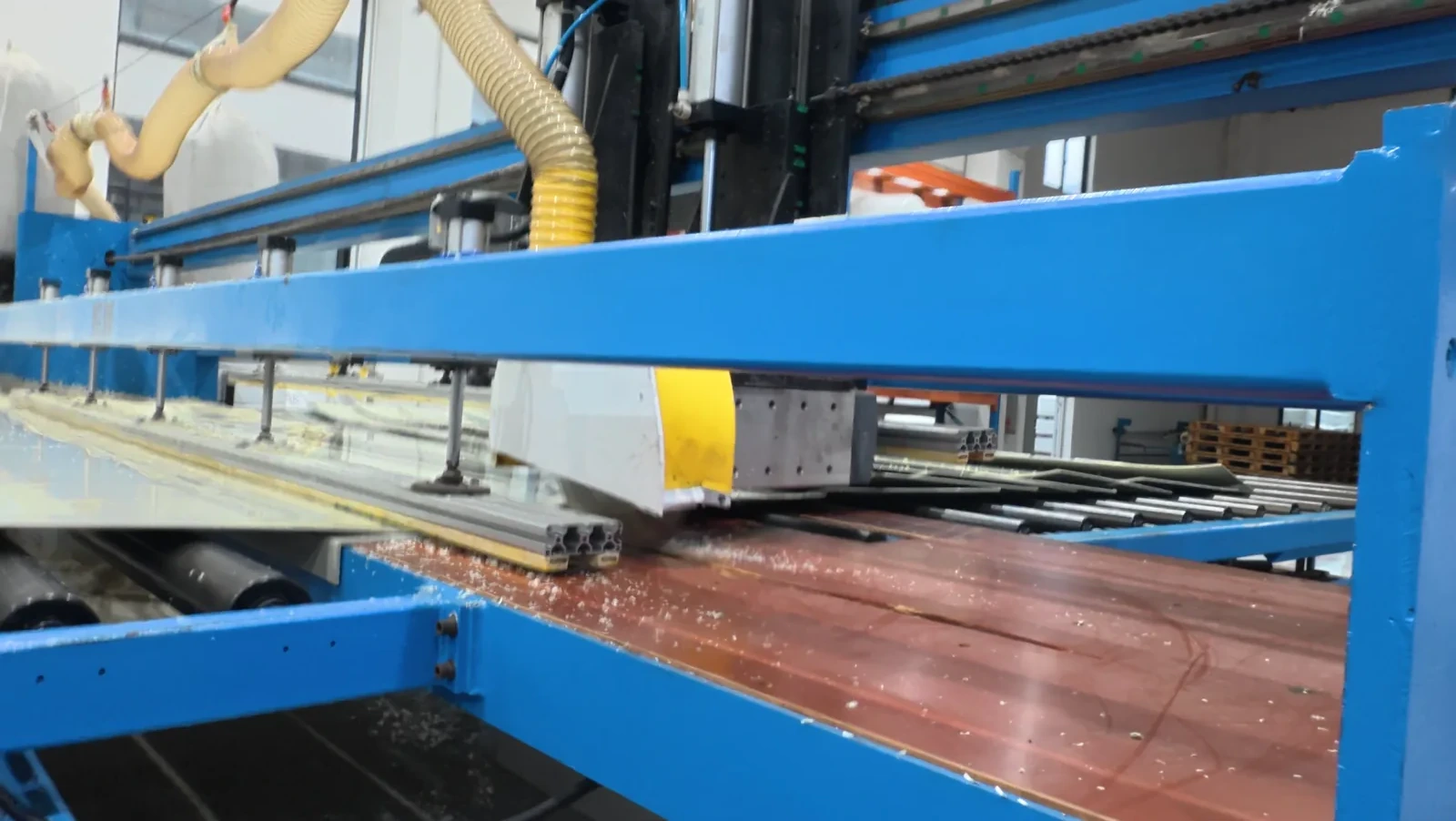
Release sheets in the order they will be fabricated. Keep protective surfaces, cut lists, and the latest drawing together. If the job needs machining or welding, make sure the operator can identify the correct face, cut feature, and finished component. This is practical control, not a published promise about every order.
The release record should make it possible for purchasing, fabrication, and quality staff to reach the same conclusion. It should show the named component, current drawing, requested material, conditions that control the review, and the evidence still needed. If one of those items changes, record the change before the affected panel is processed.
Keep fabrication steps in the order they will happen. The material is received, identified, cut or machined, joined where required, checked, and released to the next operation. This order makes gaps visible. For example, a weld detail cannot be reviewed from a flat panel request, and an installation interface cannot be checked from a loose sheet size.
Inspection points
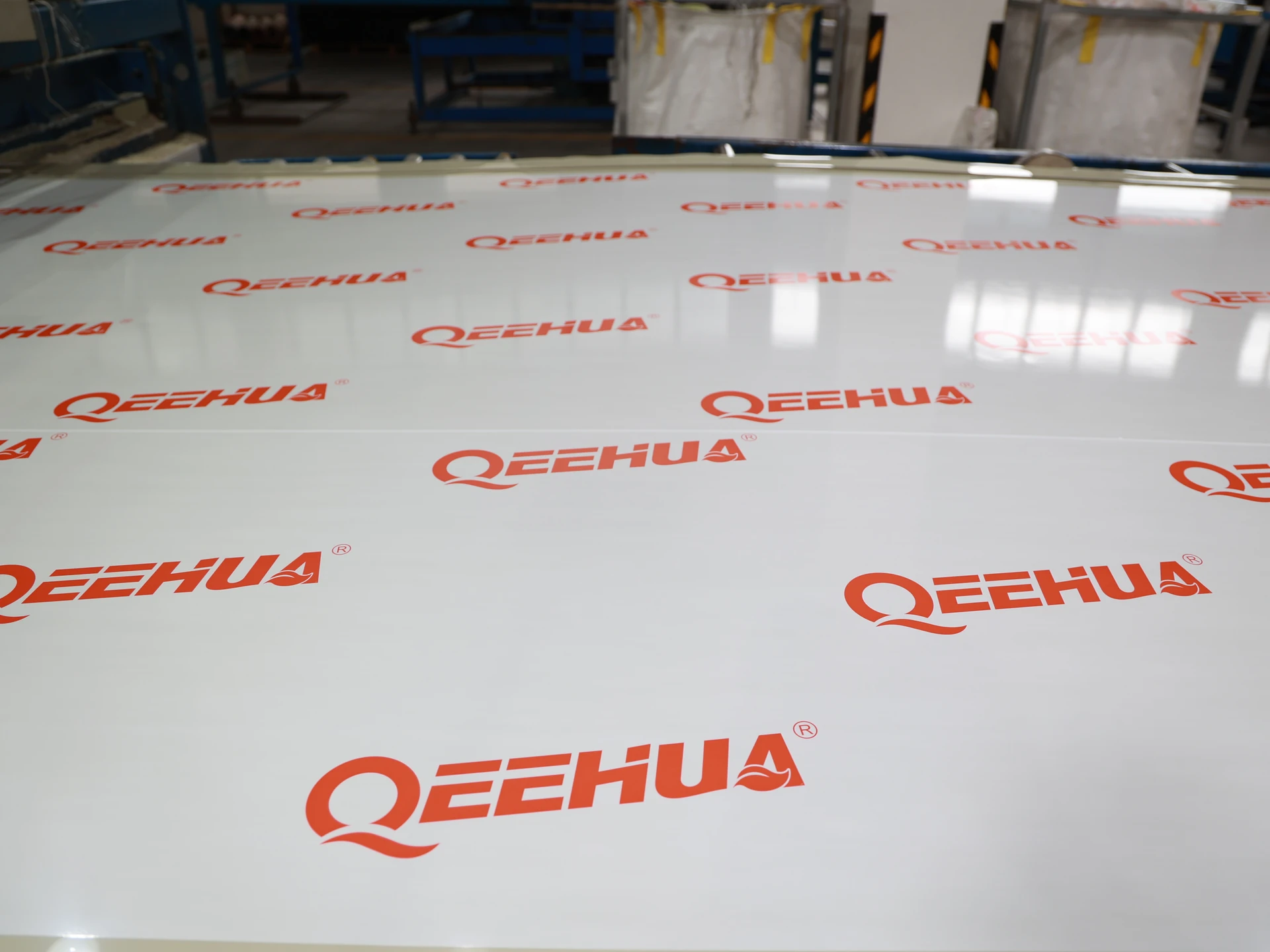
Before fabrication, check the material identity, quantity, visible condition, and the revision of the cut or fabrication document. Record any question before the panel is cut. Once a sheet becomes a part, it is harder to separate a storage issue from a drawing, machining, or assembly issue.
The goal is simple: make the requested panel, the planned operation, and the acceptance question visible to the people handling the material. This keeps a product image, a test result, a sample, and a finished part in their proper roles.
If the project has no defined acceptance point, record that fact before work begins. Ask the owner or engineering team to define the relevant drawing feature, sample review, document, or inspection condition. A clear open item is safer than a silent assumption that a general sheet description covers the finished equipment.
Sample request
Ask for a sample when the buyer needs to assess surface appearance, sheet form, a cut detail, or a fabrication route. State how the sample will be stored, handled, and judged so the review matches the project. Before release, send the drawing and request a project sample.
Frequently asked questions
Should a PP sheet be linked to its drawing before fabrication?
Yes. Link the panel to the component, drawing revision, requested dimensions, and inspection status before cutting or machining.
Can a material data sheet define storage acceptance?
No. The project must define the storage environment, condition checks, and acceptance criteria that apply to the order.
What should be checked before releasing a stored panel?
Check identity, quantity, visible condition, drawing revision, cut list, and any open material or fabrication question.
When is a storage sample useful?
A sample is useful when surface appearance, handling, a cut feature, or a fabrication detail needs to be reviewed before release.
For PP sheet storage and handling, record the final project assumptions and acceptance checks before releasing the fabrication or purchase scope.