PP sheet chemical resistance testing is useful when it compares identified coupons under the same stated exposure and records what changed before and after immersion. A chemical name alone is not a test condition. Record the exact reagent or mixture, concentration, temperature, exposure time, coupon identity, and any applied stress. Measure mass and dimensions before and after, and describe appearance using the same inspection method. A coupon can help screen material options, but it does not reproduce a tank, duct, weld, or stressed equipment panel. Define the project question first, then agree on the sample, procedure, and acceptance rule with the responsible engineer and laboratory.
Define the comparison question
Start by stating what the comparison must decide. The test may compare two candidate sheet grades, check exposed material against an unexposed control, or record how one identified sample changes after a stated exposure. These are different study designs. The request should identify the material, the expected decision, and the result that would trigger further review.
Keep one variable under review where possible. If two materials are compared, use coupons with matching dimensions, surface preparation, orientation, and exposure history. If one sample is tested before and after immersion, keep an unexposed control from the same sheet so the team can separate exposure effects from handling or storage changes. The control does not replace repeating the comparison when the project calls for replicates.
For PP sheet chemical resistance testing, state whether the goal is initial screening, a comparison between identified materials, or evidence for a fabricated detail. The test design should follow that goal.
QEEHUA’s chemical-resistance information can serve as a preliminary screen for the chemicals, concentrations, and temperatures it lists. It does not answer a question about an unlisted mixture, a stressed panel, a weld, or a finished assembly. For the product context, see the QEEHUA PP sheet range and the electroplating application page.
Select representative coupons
Choose coupons that represent the material the project will receive. Identify the grade or sample, sheet lot when available, thickness, colour, cut direction, surface condition, and any protective film or machining step. If a tank or duct contains welded panels, decide whether the question concerns sheet material, a fabricated joint, or both. A flat coupon from an unexposed sheet cannot answer a weld-performance question by itself.
Label each coupon before exposure so it remains tied to the test record. Mark which face and edge contact the liquid. Keep a matching control and record every preparation step. Clean, dry, or condition all compared coupons by the same agreed procedure. Do not polish or remove a surface layer from one coupon unless the project specification requires it for all specimens.
Control exposure conditions
The test record needs the exact chemical exposure. Write the reagent identity and grade, full mixture composition where relevant, concentration, temperature, duration, contact mode, and solution renewal or agitation rules. State whether the coupon is immersed, intermittently wetted, exposed to vapour, or contacted on one face. Record pressure or external stress if either is part of the test. A different concentration or temperature creates a different comparison.
Keep the conditions beside the coupon ID throughout PP sheet chemical resistance testing so each observation stays tied to the exposure that produced it.
Name the reagent and conditions
Use the same bath preparation and exposure schedule for all comparison coupons. Include how the lab will confirm temperature and concentration, how often the liquid will be replaced, and what will happen if the test is interrupted. Record the start and end time for each specimen. If the chemical is a process mixture, identify its constituents and relevant operating range instead of labelling it only with a trade name.
The LyondellBasell technical tip on chemical resistance of polypropylene discusses how temperature, concentration, stress, chemical mixtures, and part geometry affect interpretation. Its resistance table is a general guide and is not a QEEHUA product result. Use it for the variables to document, not to copy a rating into a project specification.
Record before and after
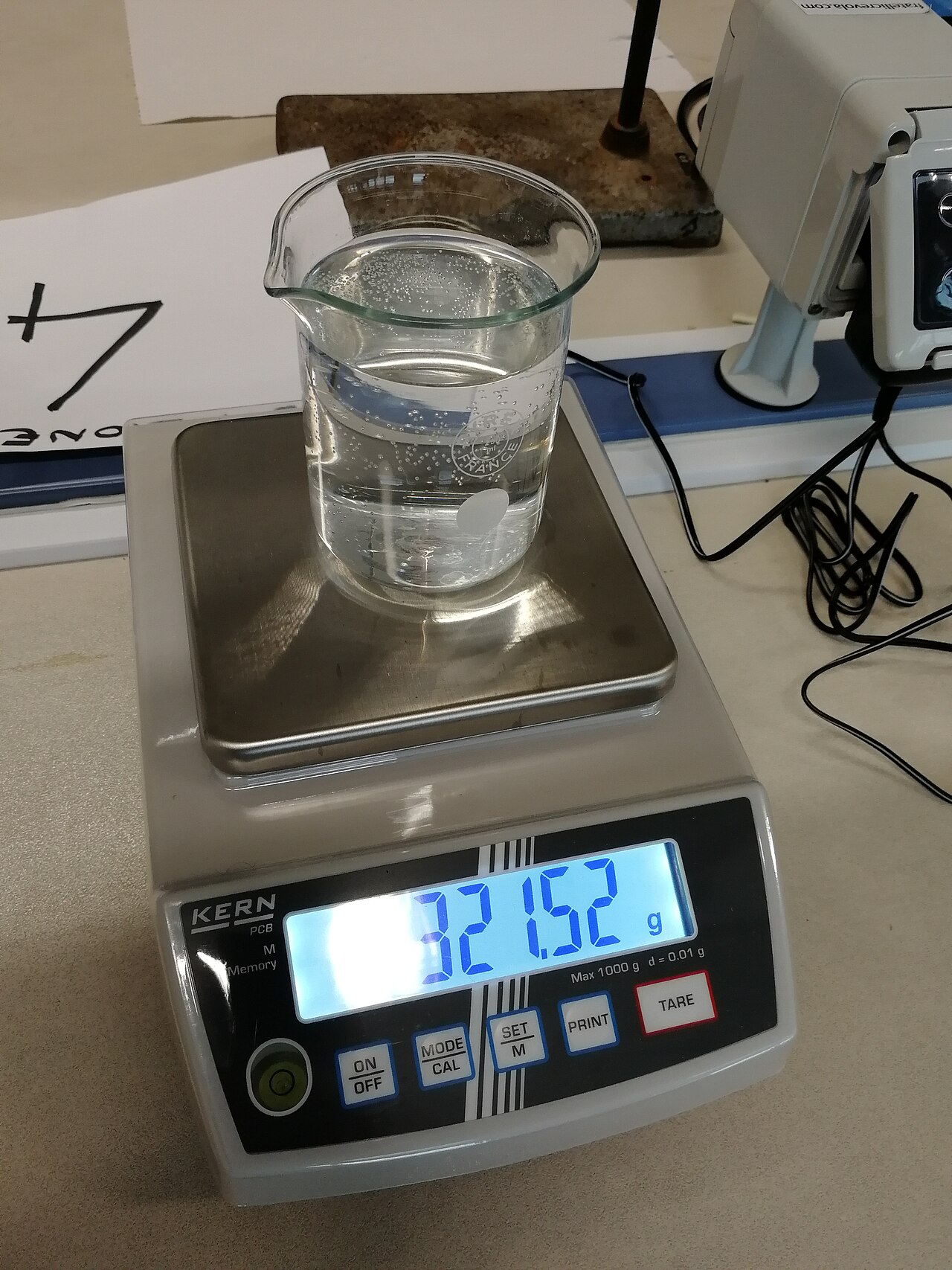
Measure each coupon before exposure and repeat those measurements after exposure using the same tools and marked points. Record mass, length, width, and thickness when they are relevant to the question. Photograph the same faces and edges under a consistent setup. Describe visible swelling, softening, cracking, surface change, or discolouration without treating an appearance note as a full material-property test.
| Record item | Before immersion | After immersion | Unit or format | Comparison rule |
|---|---|---|---|---|
| Coupon mass | Weigh the identified coupon after the agreed preparation | Repeat after the agreed removal and conditioning steps | g | Use the same balance and handling procedure |
| Dimensions | Measure marked points on each coupon | Re-measure the same points | mm | Use the same gauge and orientation |
| Appearance | Photograph and describe each face and edge | Photograph and describe the same locations | Photo and written description | Keep lighting and viewing angle consistent |
| Exposure record | Record coupon ID, reagent, concentration, temperature, and start time | Record end time, any change, and the post-test steps | Units stated for each measured condition | Link every observation to the same coupon ID |
This is a comparison template, not a set of QEEHUA test results. The method, exact exposure, coupon identity, and measurement procedure must be agreed for the project.
Keep post-test handling consistent
State how the liquid will be removed and whether the coupon will be rinsed, dried, or conditioned before measurements. The sequence can affect the mass and dimensions that the lab records. Use the same steps for every exposed coupon and document any departure. Keep the unexposed control under a comparable storage and handling schedule.
Interpret coupon results
Read the observations together. A mass change can be consistent with liquid uptake or material loss, and a dimensional change can indicate swelling or shrinkage. A visible change can help identify a sample that needs further analysis. These observations do not by themselves establish why the change occurred or prove performance over a service life. Add mechanical or chemical analysis only when it answers a defined project requirement.
Laboratory coupons also leave out the part’s shape, thickness distribution, welds, residual stress, fittings, and operating loads. LyondellBasell notes that specimen tests may not predict actual part performance without correlation to part geometry and exposure. If the project risk depends on a tank seam or loaded panel, decide whether the team needs a fabricated coupon, a representative component, or a separate engineering review.
The chemical compatibility review addresses material screening for tank service. The PP chemical tank leak-test record guide addresses a different acceptance question for a completed tank. Keep both questions separate from a coupon immersion comparison. If the project selects a published method, record its exact identifier, version, and any agreed changes. This article does not reproduce a paid test procedure.
If the test is intended to support equipment selection, attach the coupon report to the equipment specification and state its limits. A sample result should identify the material and exposure actually tested. It should not be described as an approval for every mixture, temperature, stress level, weld, or tank configuration.
To discuss a project sample and its test question, send the drawing through the QEEHUA contact page.
Frequently asked questions
What should be measured before and after immersion?
Record the identified coupon’s mass, relevant dimensions, and appearance before and after exposure. Keep the measurement points, handling steps, and inspection method consistent, and record the exact reagent and conditions.
Can a coupon test approve a complete PP tank?
No. A coupon comparison does not reproduce the tank geometry, welds, supports, stresses, or every process mixture. Use the result for the defined screening question and review the finished equipment separately.
Can a general PP chemical chart replace an immersion test?
A chart can screen only the listed chemicals and stated conditions. Confirm the actual mixture, concentration, temperature, stress, and project requirements before selecting material.
Sources and scope
The LyondellBasell Technical Tip, “Chemical Resistance of Polypropylene,” was read in the sections on solvation and chemical reaction, chemical-resistance testing, temperature and concentration effects, and laboratory specimen versus part performance. The article does not use the LyondellBasell table to claim QEEHUA resistance to any particular chemical or reproduce a paid test procedure.
No QEEHUA chemical-immersion result is reported here. This article describes how to prepare a comparison record. Confirm the material grade, exact reagent, test conditions, and acceptance rule before applying any coupon result to equipment.