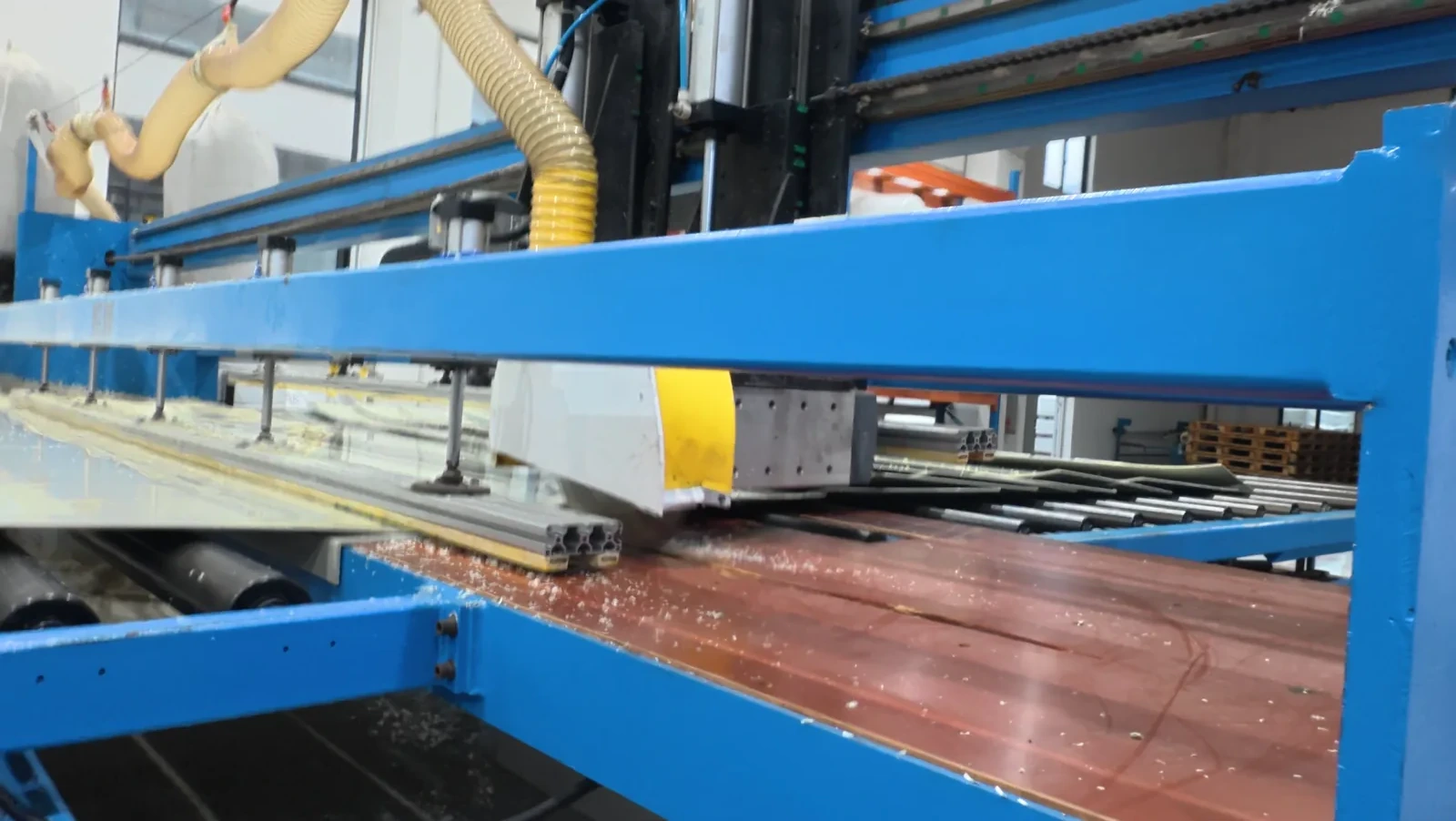
Why polypropylene melting temperature for heat welding is often misused
Polypropylene melting temperature for heat welding should be treated as material-characterization context, not as a direct tool, gas, or interface-temperature setting.
A reported thermal transition is not the same thing as the temperature at a weld interface. The value may come from a small specimen tested under a defined method, while a fabricator is heating a sheet edge, a rod, or a joint with a particular tool. The part can also have a temperature gradient: the tool, gas stream, sheet surface, joint root, and surrounding material do not necessarily share one temperature.
ASTM D3418 describes differential scanning calorimetry as a method for measuring polymer transition temperatures and enthalpies while a material is heated or cooled at a controlled rate. The result therefore depends on the material tested and the test conditions. It is useful for material characterization and process discussion, but it is not a universal machine-display setting for PP sheet welding or bending.
For procurement, ask what the number represents: melting, crystallization, softening, a transition detected by DSC, or a tool-temperature reading. Also ask which grade, formulation, lot, test method, heating rate, and specimen preparation produced it. Without that context, “PP melting temperature” is too vague to release a fabrication job.
What data should buyers and fabricators request?
The useful question is not only “How hot does polypropylene melt?” It is “Which material and process window will produce the required joint or bend on this sheet?” Collect the following before approving a procedure:
| Item | What to identify | Why it changes the decision |
|---|---|---|
| Material identity | Polymer grade, formulation, color, sheet lot, and matching PP welding rod | Different grades or additives can change thermal response, flow, and compatibility. |
| Test evidence | Test method, heating or cooling rate, specimen details, and meaning of the reported transition | A laboratory transition is not automatically a working temperature at the tool or joint. |
| Welding process | Hot gas, extrusion, machine, hot plate, or another defined process | Each process transfers heat and applies pressure or movement differently. |
| Sheet and joint geometry | Thickness, edge preparation, joint design, access, support, and heat-sink paths | Heat-up time, penetration, distortion risk, and cooling behavior depend on geometry. |
| Work conditions | Ambient temperature, drafts, fixture, cleanliness, and project procedure | Heat loss and operator control can change even when the display reading is unchanged. |
These fields also make a supplier inquiry more useful. Send the drawing revision, sheet description, intended welding method, thickness, rod requirement, and inspection plan together. A single temperature copied from a different grade or tool can create false confidence.
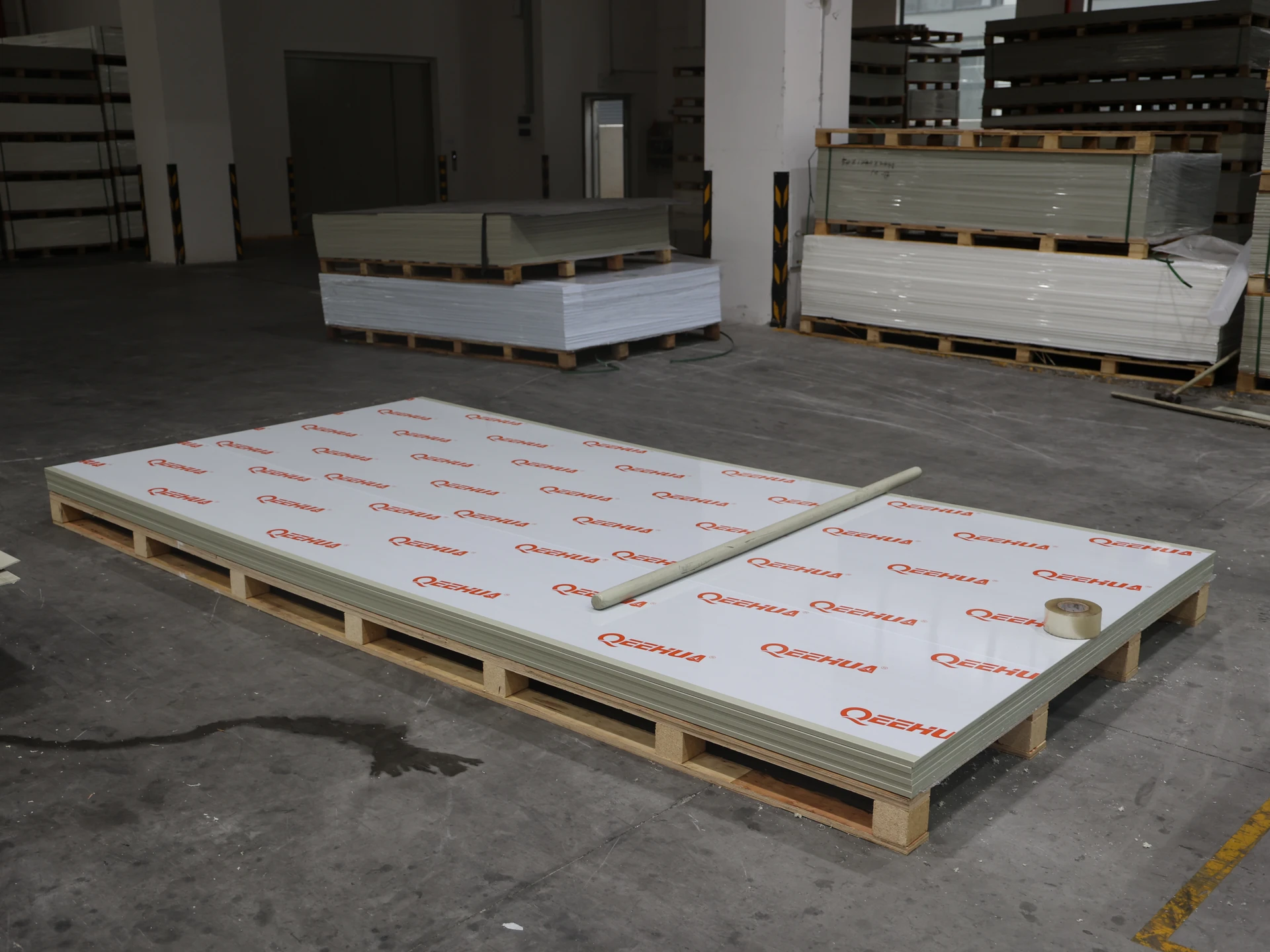
How to interpret melting temperature versus a welding window
A welding window is a process result, not a single material label. It combines enough heat and contact time to create fusion with enough control to avoid excessive degradation, distortion, contamination, or loss of geometry. The acceptable window also depends on the equipment and the skill required to hold the procedure.
ASTM C1147 emphasizes that welded thermoplastic performance depends largely on welding quality and that no single profile or procedure applies to all plastics and thicknesses. Its guide data for PP hot-gas welding lists 550-600 F (288-316 C), measured 1/4 inch inside the weld tip directly in the gas stream. This is ASTM C1147 guide data for hot-gas welding only. It is not a QEEHUA production instruction, a universal PP welding setting, or a hot-plate setting.
The ASTM guide number may help a qualified fabricator frame a hot-gas trial, but it does not replace a procedure for the exact sheet, rod, thickness, tip, gas flow, travel speed, joint preparation, and ambient conditions. Do not transfer that range to extrusion welding, machine welding, hot-plate work, or heat bending without a separate documented procedure.
Practical checks before PP sheet welding or heat bending
Use polypropylene melting temperature for heat welding together with the approved fabrication procedure and a representative joint check before releasing production work.
1. Confirm the material pair
Match the PP sheet to a compatible PP welding rod before adjusting the tool. Record the grade or material description, color, lot, and any formulation or application requirement that could affect compatibility. If the sheet identity is unclear, pause the weld release and ask the supplier to confirm the pair in writing.
2. Prepare a representative test coupon
Use the same sheet thickness, edge preparation, rod, tool, and procedure planned for production. A coupon should expose whether heat reaches the joint consistently, whether the operator can control travel and pressure, and whether the seam or bend shows overheating, insufficient fusion, warping, or surface damage. A small coupon is a process check, not proof that every production joint will pass.
3. Measure the relevant temperature, not only the display
Write down where the temperature is measured. A hot-gas tip reading, air-stream reading, sheet-surface reading, and joint-interface reading are different observations. The ASTM C1147 guide location is specific to its hot-gas table; it should not be relabeled as the sheet temperature or a universal PP melting point.
4. Control heat transfer and movement
Check sheet thickness, joint access, backing, fixtures, contact area, travel speed, pressure, and cooling restraint. Thick sections and heat sinks can delay fusion at the joint even when the tool looks hot. Thin edges can overheat quickly. The project procedure should define what to watch, what to record, and what condition requires a stop.
5. Treat heat bending as a separate process
PP sheet bending is not simply welding without a rod. The fabricator must control the heated zone, bend radius, support, deformation, cooling, and residual stress for the exact thickness and grade. Do not infer a safe bending limit from a DSC transition or from the ASTM hot-gas guide. Validate the bend on a representative coupon before forming production parts.
6. Inspect the result against the job requirement
Define visual, dimensional, joint, leak, or load checks as applicable to the equipment. Look for undercut, voids, contamination, inconsistent bead shape, distortion, cracks after cooling, incomplete fusion, or a bend that no longer matches the drawing. The correct acceptance method belongs to the project procedure; do not claim a universal pass/fail test where none has been defined.
For preparation details, use QEEHUA’s PP welding joint preparation guidance as a technical resource, then confirm the actual procedure for the sheet and equipment in the project.
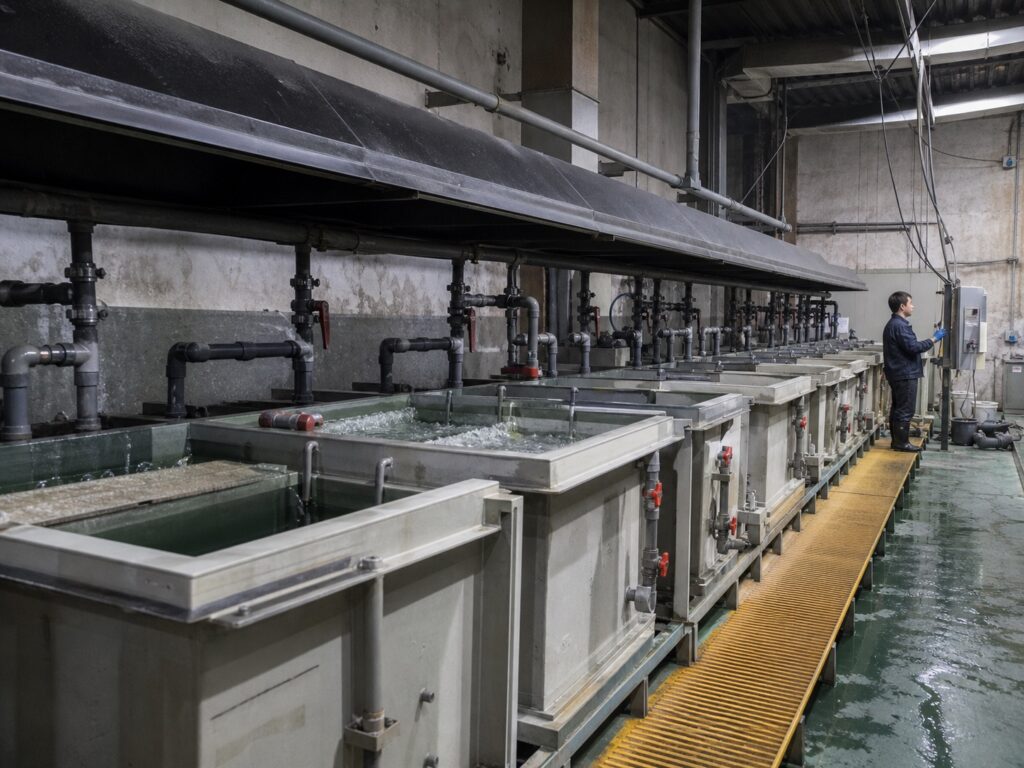
How should PP sheet and PP welding rod be selected?
Start with the finished part rather than with a catalogue temperature. For a panel, tank, duct, cover, liner, or fabricated process component, specify the operating duty, thickness, geometry, support, exposure, joining method, and inspection requirement. Then ask for material and procedure documents that match the proposed grade.
- For PP sheet: identify the grade or material description, thickness, dimensions, surface and edge condition, lot traceability, and fabrication method.
- For PP welding rod: match the rod to the sheet grade and intended process; confirm rod form or size, color, supplier identification, and project-specific compatibility.
- For bending: define thickness, bend line, radius, heated-zone control, support, cooling, and dimensional acceptance before cutting production material.
- For welded equipment: define joint preparation, procedure, operator competency requirement where applicable, access, and inspection records.
QEEHUA provides a public PP Sheets resource and a guide on how to choose PP welding rod. These pages can start a technical inquiry, but they do not turn an unverified grade, thickness, or welding condition into project approval.
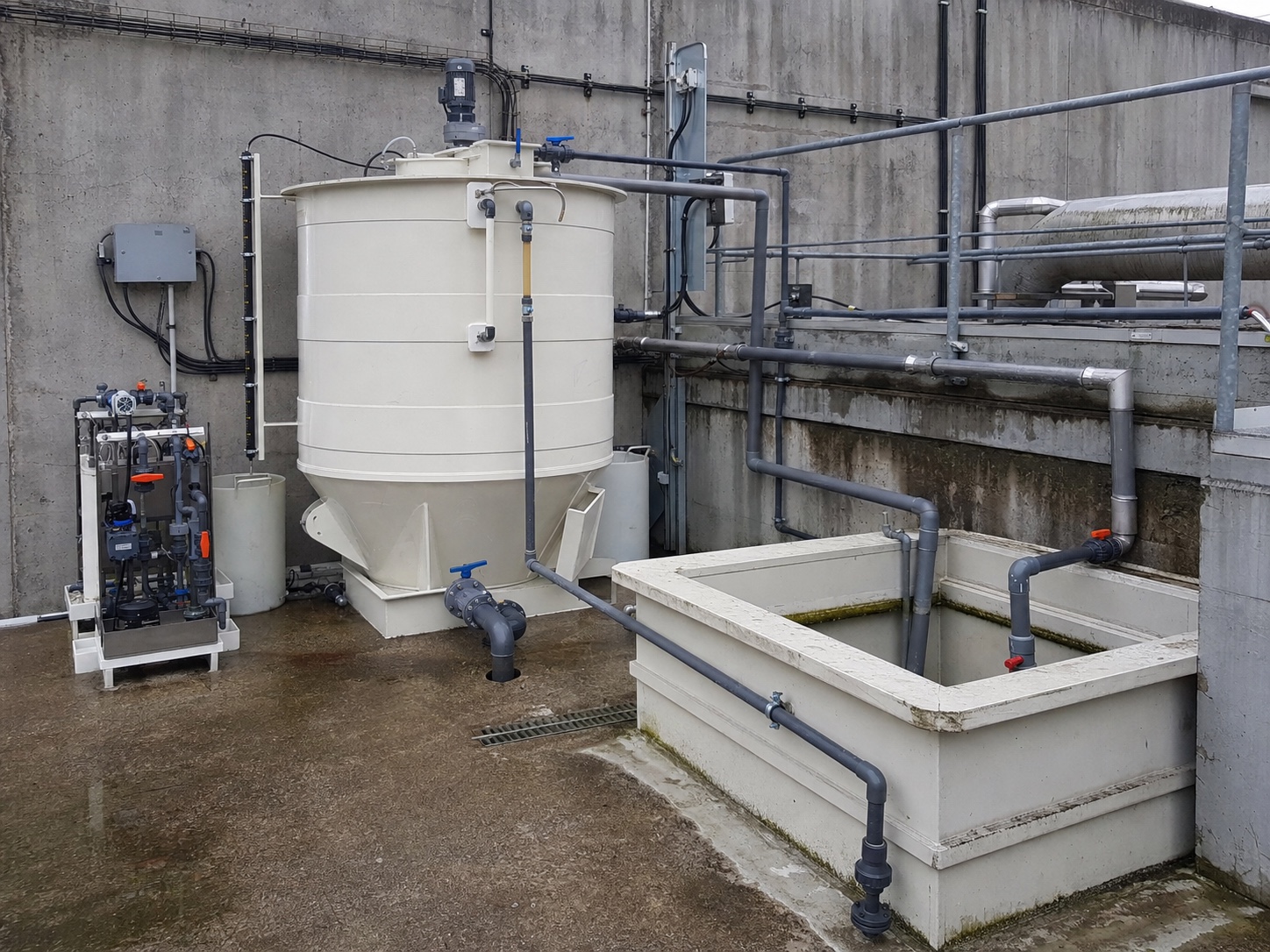
Why QEEHUA is relevant to this temperature question
QEEHUA is relevant when the inquiry connects PP sheet supply with fabrication information: material identity, dimensions, welding-rod compatibility, joint preparation, and the procedure needed for the actual job. The useful request is not “send the polypropylene melting point.” It is “confirm the material and fabrication information for this drawing, grade, thickness, welding method, and operating environment.”
No QEEHUA production temperature, grade-specific melting point, bending guarantee, welding guarantee, certification, customer outcome, or universal setting is asserted here. Those facts remain open until the applicable product document and project procedure are verified.
Procurement checklist before releasing PP fabrication
- State the equipment or part, drawing number, revision, and intended service.
- Identify the PP sheet description, grade if known, color, thickness, dimensions, surface, and lot requirements.
- State whether the work is hot-gas welding, extrusion welding, machine welding, hot-plate work, heat bending, or another process.
- Request the test-method context for every reported thermal transition or temperature.
- Match the PP welding rod to the sheet and procedure; record any open compatibility item.
- Describe ambient conditions, drafts, fixtures, heat sinks, support, and access that may affect heat transfer.
- Approve a representative coupon and define the inspection or acceptance method before production.
- Record the supplier or project procedure revision and the person responsible for technical approval.
Conclusion: use melting data as context, not as a setpoint
For polypropylene melting temperature for heat welding, the reliable decision is to document material identity, process controls, and inspection requirements rather than rely on one material value alone.
Polypropylene melting temperature helps describe how a material responds in a controlled test, but it does not by itself select a PP sheet welding temperature, a PP sheet bending limit, a welding rod, or a tank thickness. A defensible fabrication decision connects the polymer grade and test method to the welding process, sheet thickness, heat transfer, ambient conditions, procedure, coupon, and inspection plan.
For a project-specific material and fabrication review, send the sheet requirement, drawing revision, welding or bending method, thickness, and operating conditions through the QEEHUA contact and inquiry page.
Frequently asked questions
Is polypropylene melting temperature the same as PP welding temperature?
No. A reported polypropylene melting temperature or thermal transition comes from a material and test context, while PP welding temperature depends on the grade, welding process, sheet thickness, heat transfer, ambient conditions, and supplier or project procedure.
Does the ASTM 550-600 F guide apply to every PP sheet welding job?
No. ASTM C1147 guide data lists 550-600 F (288-316 C) for PP hot-gas welding measured 1/4 inch inside the weld tip directly in the gas stream. It is guide data for that hot-gas context, not a universal setting, a hot-plate setting, or a QEEHUA production instruction.
How should I select a PP welding rod for PP sheet?
Match the PP welding rod to the exact sheet material description or grade and intended welding process, then confirm rod form or size, color, traceability, and project-specific compatibility with the supplier or fabricator.
What should I check before heat bending PP sheet?
Confirm the sheet identity and thickness, bend radius, heated zone, support, heat transfer, ambient conditions, cooling, dimensional acceptance, and supplier or project procedure. Validate the process on a representative coupon before production.
Can melting point alone determine PP sheet or tank thickness?
No. Thickness depends on the part or tank geometry, support, loads, temperature, joint design, fabrication method, and project requirements. Melting point alone cannot approve a sheet thickness or tank design.