Polypropylene melting temperature does not set a safe continuous service temperature for a fabricated PP part. Melting, heat deflection under load, and Vicat softening are different measurements. A buyer must connect each result to the tested sample, method, load, duration, and actual equipment duty before using it in a specification. The QEEHUA data sheet reports 137.0°C for deflection temperature under load and 155.2°C for Vicat softening for its tested board sample. It does not identify a saleable grade or publish a continuous service limit for every QEEHUA sheet. Send the operating temperature profile, component geometry, supports, chemicals, and acceptance question for review.
Three temperature measures
Polypropylene melting temperature describes a thermal transition of a material under a particular measurement method. It is not the temperature at which a loaded tank wall, panel, or joint can operate indefinitely. A heat-deflection result asks how a standard specimen responds under a specified flexural load as temperature rises. A Vicat result follows a defined penetration test. Those measurements answer different questions, so their numbers should not be used as synonyms.
The thermal decision also depends on the exact material grade. A data sheet for one tested sample cannot determine the permitted operating temperature of another grade, thickness, or fabricated assembly. Begin with the component and duty, then ask which report and method can address it. The مجموعة ألواح البولي بروبيلين QEEHUA provides a product starting point, not a blanket temperature rating.
- Record continuous, short peak, cleaning, startup, and shutdown temperatures separately.
- Name the loaded part, unsupported span, joints, penetrations, and support arrangement.
- Ask which grade, specimen, and test method produced each thermal number.
What each test measures
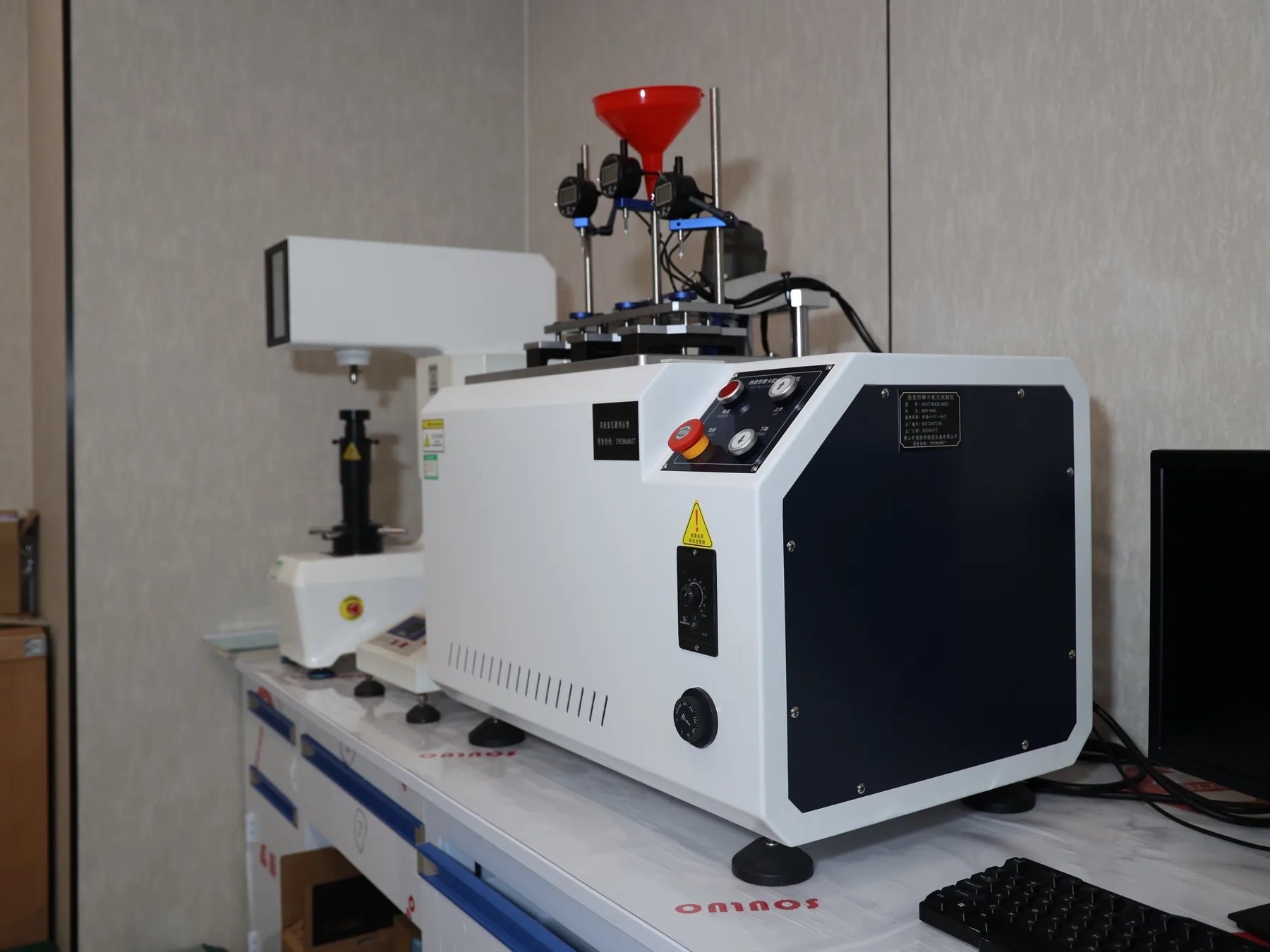
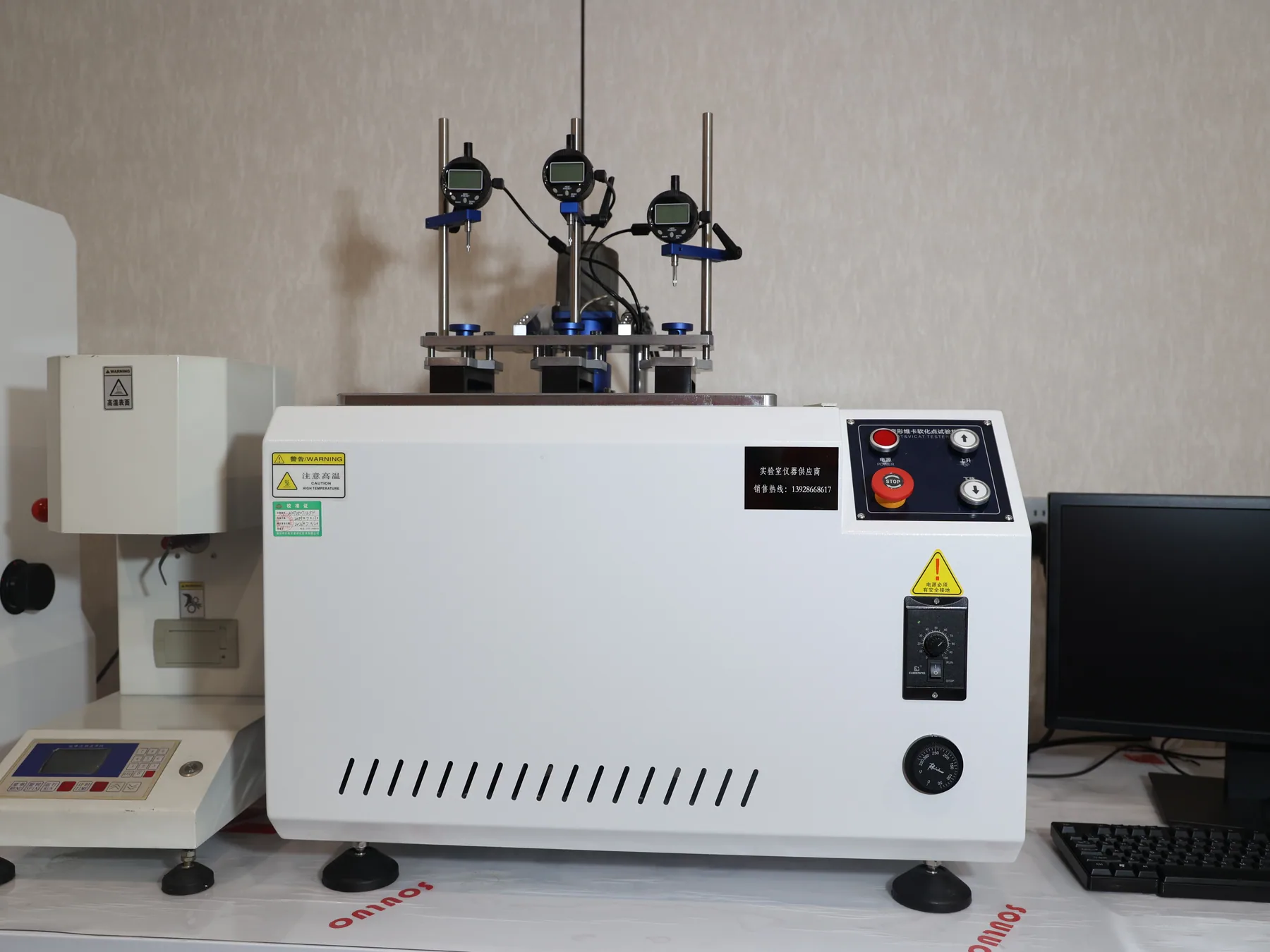
ASTM D648-18 describes deflection temperature for plastics under flexural load. Its public explanation says the result should not predict elevated-temperature behavior unless time, temperature, loading method, and fiber stress are similar to the test. It also says the data are not intended for design or endurance prediction at elevated temperature. This is the key boundary when a buyer sees a high HDT number in a brochure.
HDT test load
The QEEHUA data sheet gives the HDT result and ASTM method but does not state the test load in its table. Do not fill that omission with a typical value from another report. Request the full test condition if the project intends to compare this result to a different grade or method. A panel under liquid pressure or vacuum requires a component design review, not an HDT-to-wall-thickness shortcut.
Vicat test condition
ASTM D1525 concerns Vicat softening temperature. The public method summary describes it as useful in characterization, development, and quality control. Its result is not a direct rating for a welded corner or a continuously loaded enclosure. Ask for the method version and test condition used for the actual product before comparing values from two data sheets.
If a material producer provides a melting range, read the test method and grade with it. A number pulled from a general polymer page may describe a different formulation. The QEEHUA data sheet does not state a melting point for its tested sample.
QEEHUA sample results
The June 2026 QEEHUA polypropylene-board data sheet reports a deflection temperature under load of 137.0°C under ASTM D648-18 and a Vicat softening temperature of 155.2°C under ASTM D1525-25. Both entries are tied to the tested sample. The data sheet does not show a production-grade code for the sample, and its HDT table does not state the applied load. Those missing details are part of the result’s scope.
| Temperature item | What the record measures | QEEHUA figure | What it does not establish |
|---|---|---|---|
| Melting transition | Thermal transition under a defined method | No QEEHUA value in this data sheet | A welding setpoint or service limit |
| درجة حرارة الانحراف تحت الحمل | Specimen deformation in ASTM D648-18 test | 137.0°C for tested sample | Continuous temperature rating of every sheet |
| Vicat softening temperature | Specimen response in ASTM D1525-25 test | 155.2°C for tested sample | Load capacity of a finished assembly |
| Continuous service duty | Project temperature, time, load, chemistry and geometry | Not specified by these test rows | Approval without a component review |
The table places each number beside its measured object and limit. The QEEHUA figures should not be copied into a current grade’s product page unless that grade and test package are identified and confirmed. A higher test temperature cannot be treated as an allowable operating temperature by itself.
Match the actual duty
An equipment part has time-dependent exposure, mechanical loading, joints, and possible chemical contact. State which part is being reviewed and whether the temperature is steady, cyclic, or a short peak. Provide pressure or vacuum, liquid level, span, reinforcement, and cleaning conditions where relevant. A test coupon does not describe all of those features.
For an enclosure, a buyer may need to know whether the panel will retain shape while mounted near a heat source. For a tank, a loaded wall and welded joints are part of the decision. For a duct, air and condensate temperatures can differ. These examples show why a single “maximum PP temperature” is a poor purchase specification. The waste-gas treatment application page can help locate the part in an equipment system, but the drawing must show its actual duty.
The project engineer should define the acceptance question. It may call for a grade-specific data sheet, a representative component trial, a creep or deformation assessment, or another test under project conditions. This page does not perform those calculations or approve a particular thickness.
Fabrication heat is separate
Heat welding and heat bending apply energy for a processing step. Their controls are not the same as the temperature a finished part can tolerate in service. A welding procedure needs a matched sheet and rod, tool settings, travel or feed control, sample preparation, and inspection. A service-temperature review instead needs the actual operating duty over time.
The existing polypropylene heat-welding article deals with process temperature questions. Read it when preparing fabrication trials. Do not use a general melting temperature as a direct heater setting or use a successful weld as proof that a finished tank can operate at that temperature. Keep the two decisions on separate records.
Request thermal evidence
Send a short temperature profile with the drawing. Include normal duration, credible peak, cleaning cycle, ambient conditions, load, supports, chemical medium, and the consequence of deformation. Ask which of the proposed sheet grade’s reports apply and which project questions remain open. A supplier can then say whether a material sample or component trial is more useful than another generic number.
- Name the part, actual grade requested, thickness, dimensions, and joining method.
- Show continuous and short-duration temperature conditions with loads and media.
- Ask for matching test reports, conditions, and a written response to the open acceptance question.
استخدم PP sheet data-sheet reading guide to check the method and tested specimen. Send the project brief through the صفحة الاتصال بـ QEEHUA when requesting a grade review or sample. A material result should travel with its source and limitation so it is not later reused as a blanket service rating.
FAQ and sources
Is a PP sheet’s HDT its allowed continuous operating temperature?
No. HDT is a specimen test under specified conditions. The continuous equipment duty also depends on time, load, geometry, joints, chemistry, and the actual grade.
Can polypropylene melting temperature be entered as a welder setting?
No. Welding requires a procedure and trial for the matched sheet and rod. A material transition number is not a direct tool setting.
How should a short temperature peak be assessed?
Record its maximum value, duration, frequency, load, chemical exposure, and affected component. Ask for grade-specific evidence and a project review rather than extending a coupon result without support.
Method references used above are ASTM D648-18 for deflection temperature under flexural load and ASTM D1525 for Vicat softening temperature. QEEHUA values are from its June 15, 2026 tested-sample polypropylene-board data sheet.