PP sheet material traceability should follow the material through the whole job, not stop when the supplier truck is unloaded. A useful package connects the purchase requirement, supplier lot or batch, receiving inspection, storage location, cut-piece identity, fabrication records, weld records, repairs and final equipment handover. If a panel is cut into several parts, the project should still be able to answer a simple question: which approved PP sheet became this tank wall, liner, duct section or process panel?
What a PP sheet material traceability package needs to prove
The package should prove four things: the material received was the material ordered, the material used in fabrication was released for the job, the finished part can be linked to its drawing and inspection evidence, and any deviation or repair remains visible at handover. This is broader than a certificate folder and more specific than a generic quality manual.
For PP sheet, the useful identity fields usually include the supplier, product description, material grade or designation, nominal thickness, sheet dimensions, colour or surface requirement, supplier lot or batch number, quantity, delivery reference and document revision. Not every PP sheet carries a metal-style heat number. Do not invent a heat-number field when the supplier uses a batch or production-lot system; record the identifier that actually appears on the supplier label and certificate.
ISO 9001 quality-management guidance treats identification, documented information and control of outputs as process responsibilities. The practical implication is that the identifier must remain usable after storage, cutting and fabrication, not merely appear on the original delivery note. The ISO 9001:2015 overview can be used as a management-system reference, while project specifications and the approved inspection plan define the actual acceptance evidence.
Start at receipt with a release or quarantine decision
At receiving, compare the shipment with the purchase order, approved submittal and packing list before the sheets are moved into general stock. A receiving record should capture the delivery date, supplier, package condition, quantity, sheet identifiers, visible damage and the person who performed the check.
Link the supplier certificate or declaration to the receiving line rather than storing it as an unreferenced PDF. Check that the grade, thickness and surface description agree with the order. Confirm that labels are legible and that protective film, pallets and corners have not allowed contamination or impact damage. If a certificate is missing, a label is unreadable, or the sheet appears wet, cracked or incorrectly sized, mark the material hold or quarantine and record who can disposition it.
QEEHUA’s inspect-first approach is useful here: a visual review does not approve chemical compatibility, and a supplier certificate does not approve a fabrication route. The release status should therefore identify what was checked and what remains subject to engineering review. For a field-ready checklist, link the record to the PP sheet incoming inspection checklist.
Separate accepted, hold and rejected material physically
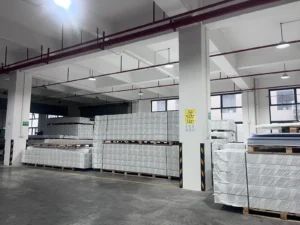
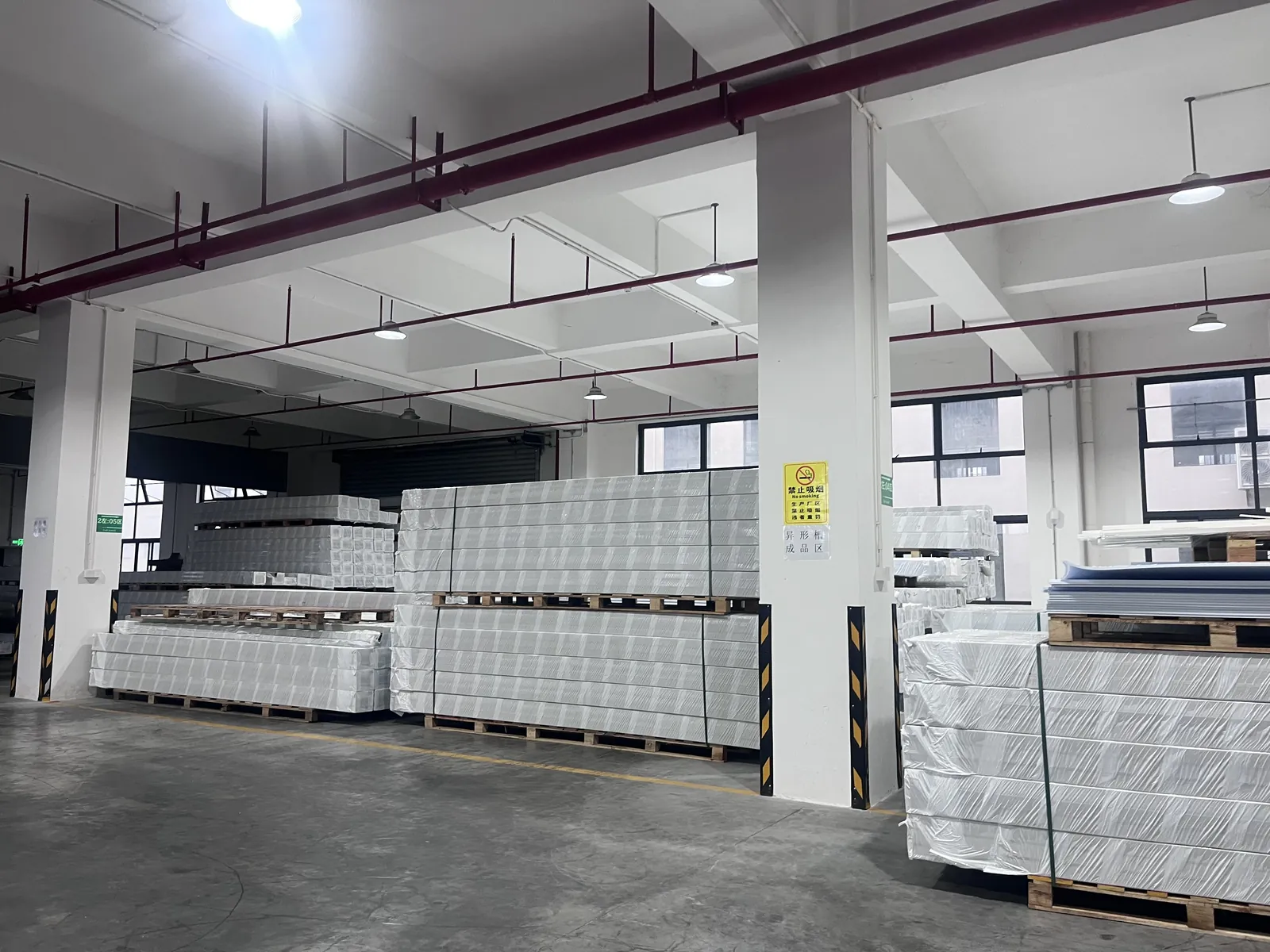
Digital status alone is fragile on a busy shop floor. Use a rack location, tag or traveller that makes accepted, hold and rejected stock visually different. Keep a copy of the supplier identifier with the sheet while it is stored flat and supported. If a sheet is moved to another project, update the allocation record instead of quietly reusing the old tag.
Storage and handling instructions should be retained with the project record. The Röchling sheet storage and processing guidance is a useful manufacturer reference for keeping sheet condition stable before fabrication; it does not replace the project-specific acceptance criteria.
Carry the identity through cutting and part issue
The most common break in PP sheet traceability occurs after cutting. A full sheet may have one label, while the fabrication drawing needs a dozen wall panels, baffles, flanges or reinforcement pieces. Before cutting, prepare a cut list or nesting map that connects each part number to the source sheet lot or batch. After cutting, transfer the identity to each part using a method that will survive handling without damaging the service surface.
- Assign a unique part or panel number tied to the drawing and revision.
- Record source sheet ID, thickness, colour or surface requirement and quantity issued.
- Keep offcuts identified until the project decides whether they are reusable, returned to stock or scrapped.
- Record substitutions, remakes and discarded pieces instead of deleting them from the cut list.
For cleanroom or chemical-service panels, avoid marking methods that leave adhesive, ink or embedded contamination where the material will contact process fluid. A removable tag, protected edge mark or controlled traveller may be better than permanent writing on the wetted face. The correct marking method belongs in the project work instruction.
Link fabrication records to the material and the drawing
Once a panel enters welding, machining or assembly, the traceability package should connect material identity to the work actually performed. A fabrication traveller can capture the part number, drawing revision, operation, machine or welding method, operator, date, inspection status and any hold point. This avoids a common handover problem: a complete weld report exists, but nobody can tell which tank seam or panel it belongs to.
For welded equipment, the weld map should link each joint to the parent-sheet part IDs and the compatible welding-rod lot. The existing PP welding-rod traceability guide covers the consumable side; this article extends the chain back to the PP sheet receipt and forward to the finished-equipment dossier.
For machined or thermoformed parts, record the machine program or drawing revision where it affects fit-up, openings, thickness or interfaces. If the part is reworked, keep the original part number and add a repair or rework status. Do not create an untraceable “replacement part” that appears to have passed the original inspection.
Include inspection, nonconformance and repair links
A handover package is only as reliable as its exceptions. Include visual inspection reports, dimensional checks, leak or pressure-test records where required, photographs, nonconformance reports and repair dispositions. Each record should carry enough context to identify the equipment, drawing revision, panel or weld location and inspection date.
When a defect is found, preserve the original material and part identity. Add the defect location, disposition (use-as-is, repair, rework or reject), responsible approval, reinspection result and any retest evidence. A repair record without the original weld or panel reference can make a later service investigation much harder.
For equipment handover, this is where traceability differs from an incoming-inspection checklist: the goal is not only to decide whether material is acceptable, but to demonstrate what happened to it after release. The PP weld repair and NCR documentation guide is a useful companion for closing repaired welds and nonconformances.
| Traceability stage | Minimum record or identifier | Release question |
|---|---|---|
| Receipt | Purchase reference, supplier, delivery, grade, thickness, lot/batch, quantity and certificate link | Is the shipment the approved material and is it physically acceptable? |
| Storage | Rack location, status tag, package condition and project allocation | Can the sheet be found without losing its identity or status? |
| Cutting and issue | Cut map, source sheet ID, part number, drawing revision and offcut disposition | Can each fabricated part be traced back to a released sheet? |
| Fabrication | Operation, operator, machine or welding method, rod lot, weld/part map and inspection hold points | Can the work and its acceptance evidence be linked to the part? |
| Repair or deviation | NCR, defect location, disposition, approval, reinspection and retest | Are exceptions closed without deleting the original identity? |
| Handover | Dossier index, as-built drawings, certificates, inspection, test, repair and open-item list | Can the owner audit the equipment history after shipment? |
Build the final handover dossier around an index
Do not deliver a folder of unnamed certificates and photographs. Start with an index that lists the equipment tag, drawing revision, material schedule, sheet and rod identifiers, inspection reports, test results, NCRs, repair records, photographs, packing information and open items. Use stable filenames and a revision status so that the owner can find the evidence without relying on the fabricator’s memory.
The dossier should also state boundaries. For example, a material certificate can confirm supplied grade or batch information, but it does not by itself confirm long-term chemical compatibility, tank design, weld quality or site commissioning. Those decisions belong to the approved engineering documents and inspection plan.
When QEEHUA reviews a handover package, the practical check is whether the record can be followed in both directions: from a finished weld or panel back to its source sheet, and from a received sheet forward to the equipment location where it was used. Missing links are treated as a documentation hold, not silently filled with assumptions.
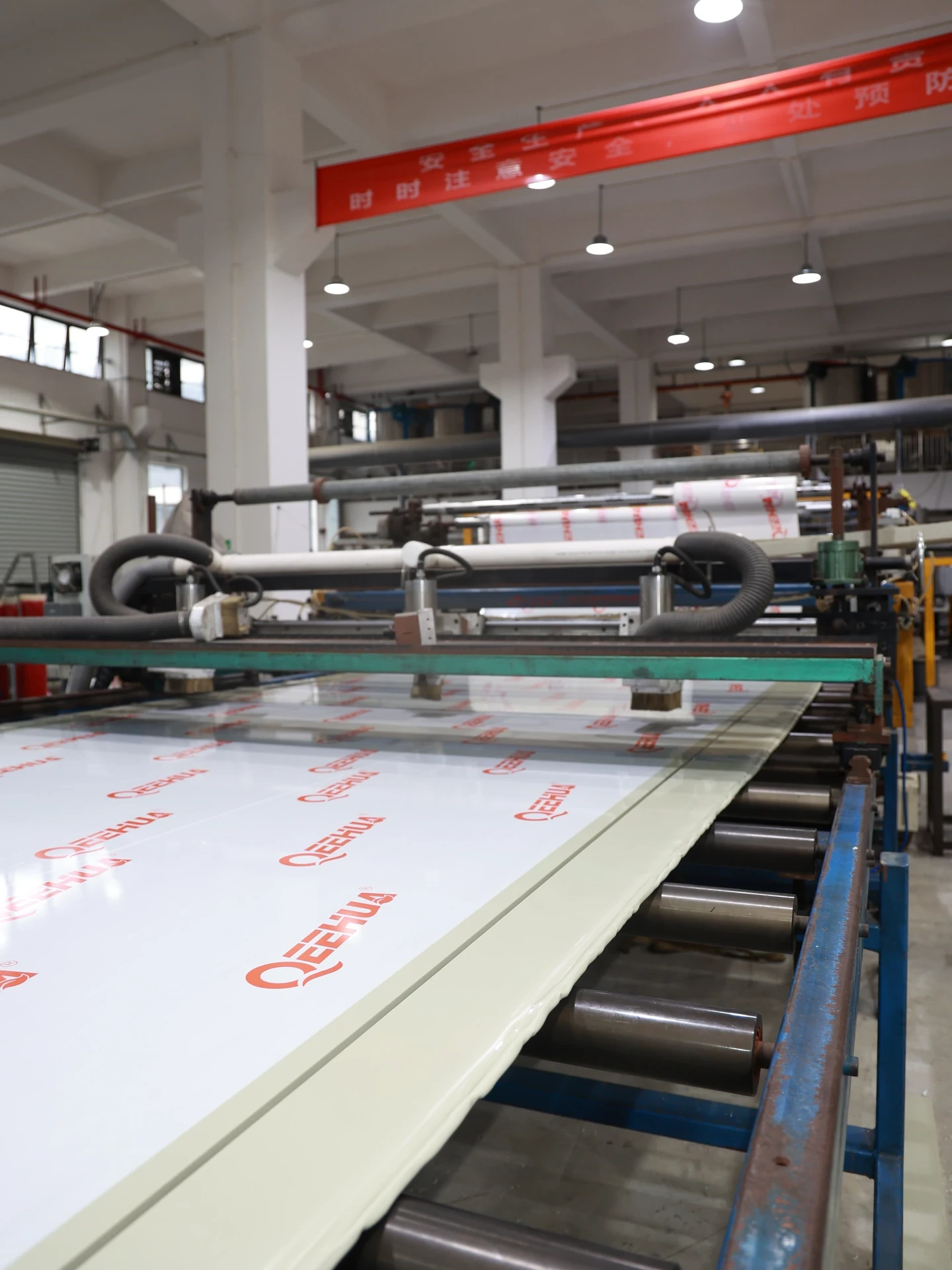
Related QEEHUA process video: the following playlist video shows PP sheet calendering and surface-control context. It does not replace a material certificate, receiving inspection or project handover dossier.
Video reference: PP Sheet Calendering: Thickness and Surface Control | QEEHUA, from the approved QEEHUA playlist.
Questions to resolve before closing the package
Does every PP sheet need a heat number?
No. Use the identifier supplied by the manufacturer, such as a lot, batch, roll or production reference. Do not convert a PP batch identifier into a metal heat number or invent a value that does not appear on the source record.
What happens to traceability after a sheet is cut?
Transfer the source sheet ID to every part through a cut map, part tag or traveller. Record offcuts, remakes and scrap so that the material balance remains understandable.
Can a supplier certificate replace receiving inspection?
No. The certificate supports material identity, but receiving inspection still needs to check shipment condition, labels, quantity, dimensions, visible damage and the project release status.
What should be handed over with a repaired PP weld?
Include the original weld or part reference, defect location, NCR, approved disposition, repair method, responsible approval, reinspection result and any required retest. Keep the original identity visible.
Need a traceable PP sheet fabrication package?
Send QEEHUA the material schedule, drawing revisions, inspection plan and handover requirements. We can help define the sheet, welding-rod, fabrication and dossier links before production starts.
Contact QEEHUA for a project review or see the PP sheet selection and fabrication guide.