Semiconductor wet-process procurement
A PP semiconductor screen RFQ should identify the screen’s exact drawing-controlled function, material request, finished geometry, opening or cut pattern, mounting interfaces, inspection basis, packing needs, and required records. It should not assume that a generic PP sheet description proves cleanliness, chemical duty, electrical behavior, or equipment suitability for a specific wet-process tool.
Short answer: Send a revision-controlled drawing, define every measured feature and its unit, state the process exposure and installation interface, then request the documents and inspection evidence needed for acceptance. For a semiconductor wet bench, “screen” is too broad by itself; the RFQ must define the actual component and its project limits.
Use this PP semicon screen RFQ checklist when asking a supplier to quote a defined screen or panel. If the aperture pattern, open-area target, or process function is still being designed, mark it as an engineering hold point rather than asking the supplier to invent it.
Start by defining what the “screen” is
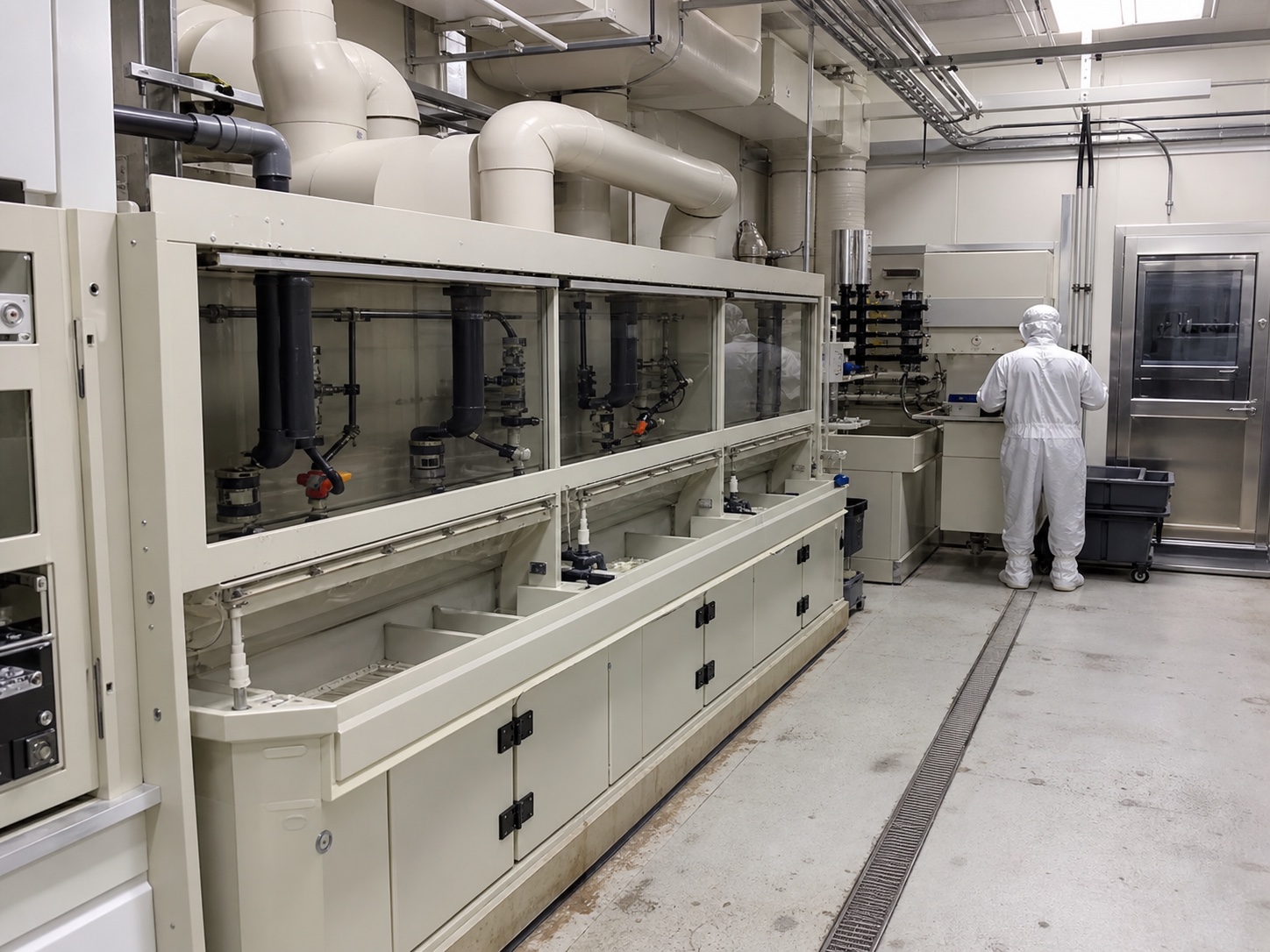
The purchasing decision changes with the component’s actual role. A screen may be a solid panel, a patterned panel, a slotted or drilled part, or one element in a fabricated assembly. The buyer should describe its purpose in the equipment drawing without relying on an informal name alone.
For broader material-selection context, see how PP sheet is reviewed for semiconductor wet-process equipment. This RFQ guide is narrower: it converts a screen or panel requirement into a quoteable and inspectable scope.
| Define in the RFQ | Why it matters | Evidence to request |
|---|---|---|
| Component name, tag, and equipment location | Prevents a screen, cover, baffle, and removable panel from being quoted as the same item. | Assembly drawing and revision reference. |
| Functional boundary | Clarifies whether the part is a divider, guard, flow-related panel, access item, or non-process cover. | Short duty statement from the equipment owner. |
| Exposure and interfaces | Lets the project team review chemical, temperature, cleaning, fastening, and neighboring-material constraints. | Process note and interface schedule. |
Include these eight RFQ input groups
A usable PP semiconductor screen RFQ is a controlled set of inputs, not a request for “PP screen, quantity one.” The list below separates supplier quotation data from engineering approval data.
| Input group | Include in the request | Do not leave implied |
|---|---|---|
| 1. Project control | Project name, item tag, quantity, delivery location, drawing number, revision, and required date. | Which revision governs the quotation. |
| 2. Part definition | Plain-language function, installation location, removable or fixed condition, and boundary of supply. | Whether frames, fasteners, seals, or supports are included. |
| 3. Material request | Requested PP sheet identity, colour or surface requirement if relevant, requested data-sheet revision, and any project-specific approval route. | That a standard sheet automatically meets cleanroom, electrical, or chemical requirements. |
| 4. Geometry | Overall length, width, thickness requirement, datum, profile, edge condition, holes, slots, and opening pattern. | Reference origin, feature spacing, or which side is the installed face. |
| 5. Interfaces | Mounting-hole pattern, fastening hardware supplied by others or included, mating dimensions, clearance zones, and access limits. | Field modification responsibility. |
| 6. Fabrication scope | Cutting, machining, bending, welding, deburring, protective film removal, labeling, and any assembly work expressly required. | Unshown processing steps or non-drawing tolerances. |
| 7. Inspection and records | Measured features, sampling or full-inspection expectation, report format, traceability, photo requirements, and nonconformance route. | Who accepts deviations or substitutions. |
| 8. Packing and handover | Part identification, separation/protection method, packing list, shipment marks, and document package. | How finished panels stay identifiable after packing. |
Make the drawing and cut pattern unambiguous
For a screen with repeated features, the drawing should state a datum or coordinate origin, feature type, nominal size, pitch or coordinate positions, edge distances, and any prohibited areas. A visual sketch without these controls can produce several plausible interpretations.
Use millimetres consistently unless the project contract requires another unit. The NIST SI Units guidance explains why technical quantities should pair a number with a stated unit; this is particularly useful when a drawing, cut list, and inspection sheet are exchanged by different teams.
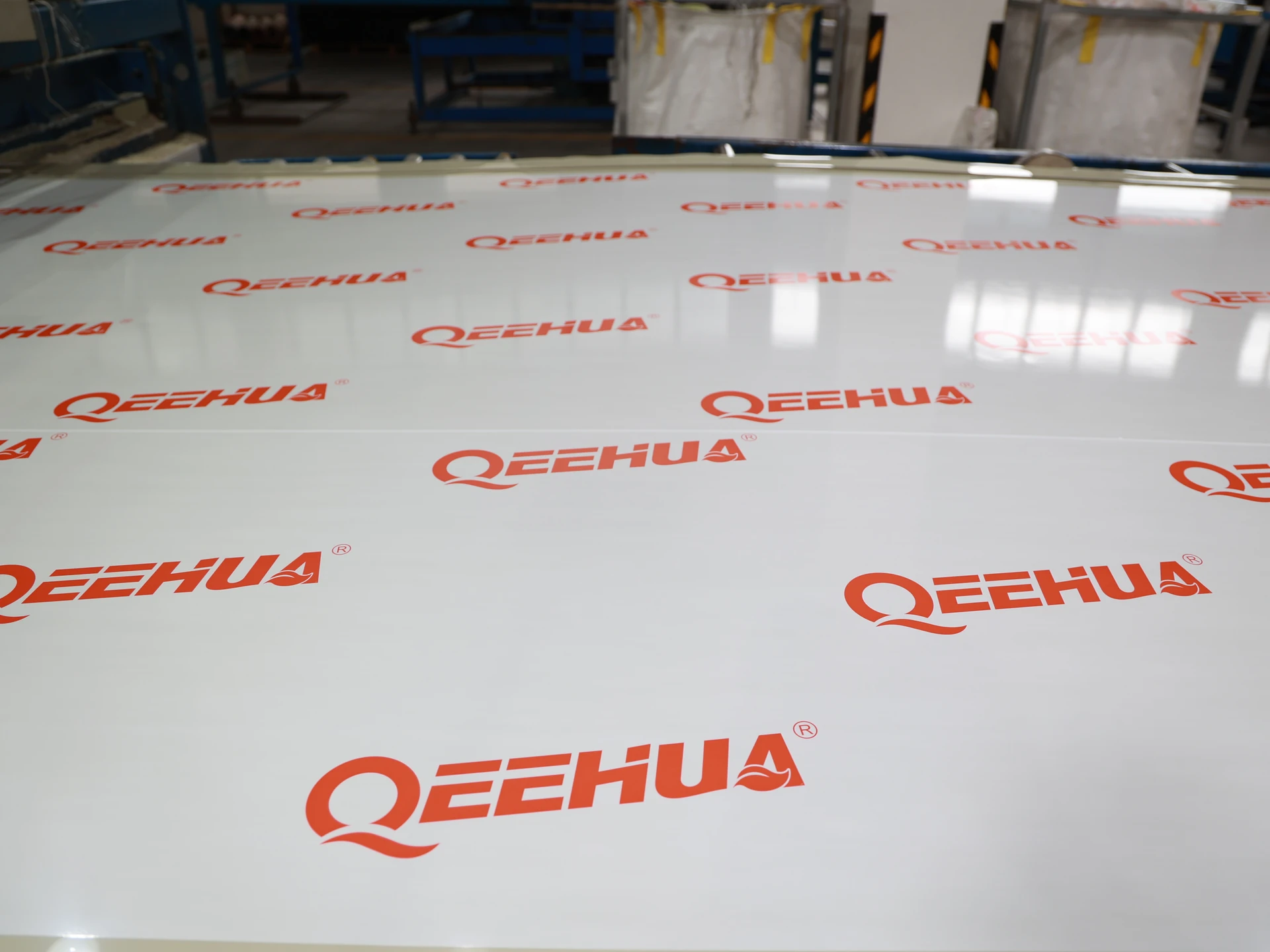
When the supplier is expected to deliver a cut part rather than raw sheet, connect the RFQ to the project’s PP sheet cutting requirements for OEM parts. The commercial request should identify which dimensions are to be measured after cutting and what record accompanies the finished part.
Request material information without over-claiming suitability
Ask for the current data sheet, requested material identification, and the project’s required approval documents. If density is a contractual data point, name the test method requested rather than comparing values from unrelated documents; ASTM D792 is a published method for density and specific gravity of plastics by displacement.
QEEHUA-specific selection for semiconductor environments must be confirmed against the actual process chemistry, temperature, cleaning method, contamination-control requirements, electrical requirements, and the final equipment design. A material data sheet or a general PP application guide is not, by itself, an approval for a particular tool.
Procurement checkpoint: separate “supplier to provide” from “owner to define.” The supplier may quote sheet and agreed fabrication scope; the equipment owner or responsible engineer must define process duty, design acceptance, and any special semiconductor or cleanroom requirements.
Use a fabrication reference only for the scope it shows
Where the screen requires cut features, a process reference can help a buyer describe the needed fabrication step. It does not establish finished-part tolerances, material suitability, or acceptance for a semiconductor tool.
Video reference: “PP Sheet Cutting Process: Cutting Motor and Cut Saw | QEEHUA” is included as a limited general reference to panel-cutting context. It does not verify a screen design, tolerance, or semiconductor-process suitability.
Set the inspection, packing, and change-control route before ordering
Inspection should follow the released drawing. State which features need recorded measurements, who may approve a deviation, and whether photos, labels, or part tags are required. A change to opening pattern, sheet thickness, material identity, or interface geometry should trigger the project’s agreed revision or deviation process.
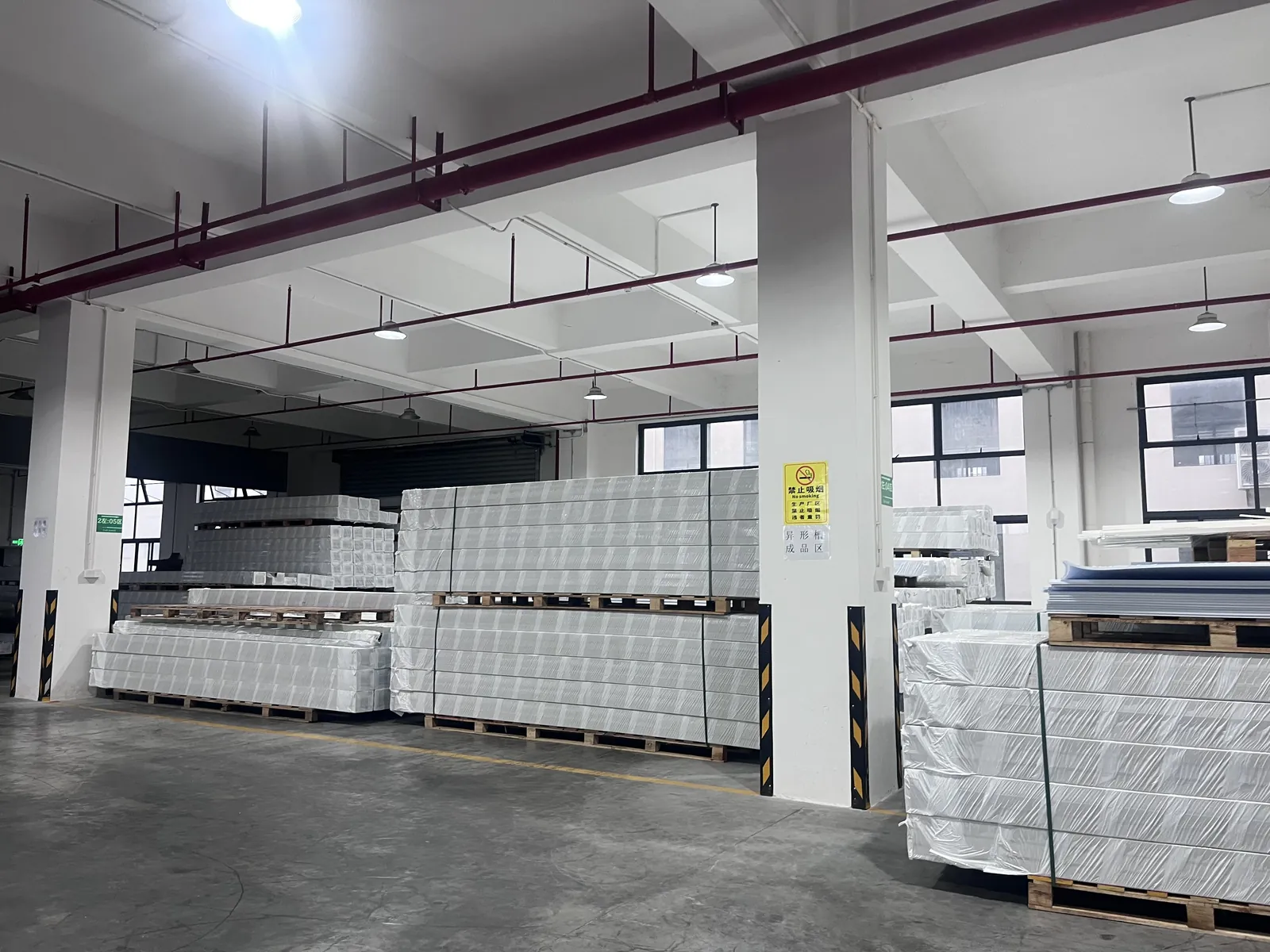
For finished parts, request part tags and a packing list that links each item to the drawing revision. The warehouse image below illustrates why protected, identifiable material and parts are easier to reconcile at receipt; it is not evidence of a semiconductor packing standard.
Before release, use the PP sheet data-sheet guide for fabrication projects to review the requested material documentation, and use a PP sheet sample request for EPC or OEM projects when the buyer needs an approved sample path. The broader PP Sheet Guide: Selection, Fabrication and Applications is the parent hub for related selection and fabrication topics.
FAQ: PP semiconductor screen RFQs
Can an RFQ simply say “PP semiconductor screen”?
No. “PP semiconductor screen” does not define the component’s function, geometry, opening pattern, interfaces, exposure, or acceptance basis. Use it as a search or item label, then attach a revision-controlled drawing and scope statement.
What drawing details matter most for a PP screen panel?
State the overall dimensions, thickness requirement, datum, edge profile, every hole, slot, or opening pattern, mounting interfaces, installed orientation, and drawing revision. Also identify any features that require recorded inspection.
Does a PP data sheet approve a screen for semiconductor wet processing?
No. A data sheet can support a material review, but semiconductor wet-process suitability requires project-specific confirmation of chemistry, temperature, cleaning, contamination control, electrical requirements, and equipment design.
What documents should accompany a finished PP screen?
The document package should follow the contract, but commonly includes the governing drawing revision, material identification, agreed inspection record, packing list, part labels, and any approved deviation record. The buyer should state the exact required package in the RFQ.
Prepare a drawing-led PP screen enquiry
Send the component drawing, process boundary, required fabrication scope, document list, and packing expectations so QEEHUA can review the requested PP sheet and fabrication scope for your project.