PP sheet can be considered for selected sodium hypochlorite dosing-equipment components, but a material name alone is not a design approval. Confirm the actual concentration, temperature, mechanical loading, exposure route, fabrication details, and every wetted interface before specifying a sheet or a fabricated assembly.
Short answer: PP sheet for sodium hypochlorite dosing equipment
PP sheet for sodium hypochlorite dosing equipment requires a project-specific review of solution concentration, temperature, duty cycle, fabrication details, and operating controls.
Generic polypropylene reference tables can be useful for an initial material screen. They are not a QEEHUA project-specific compatibility rating, and they do not cover every formulation, welded joint, support condition, seal, fastener, or combined chemical exposure. Start with the service record, then ask QEEHUA to review the defined duty against the available material information.
Begin with the actual dosing duty
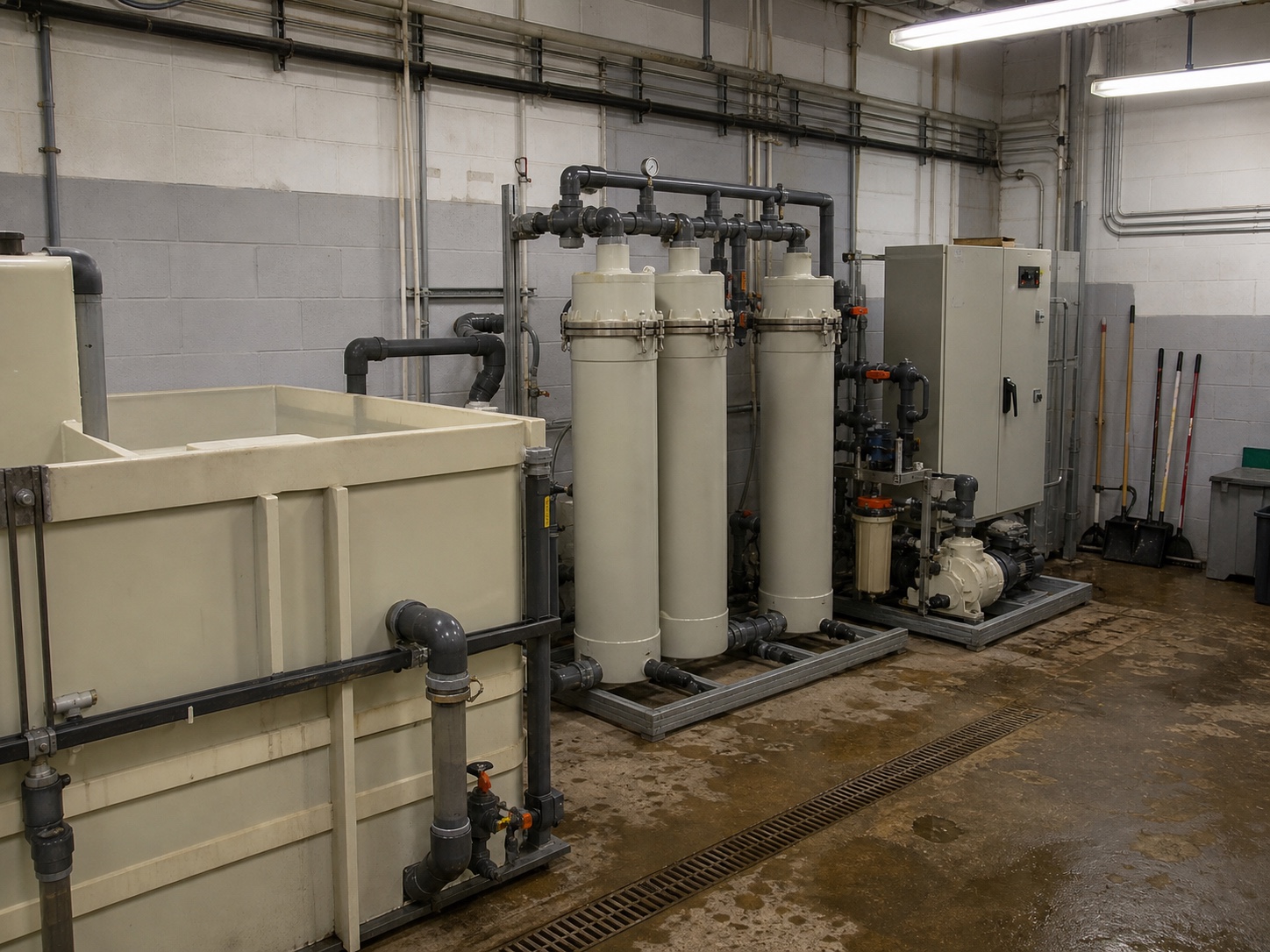
The phrase “sodium hypochlorite service” leaves out the details that control a useful material review. A day tank, spill tray, pump splash guard, cabinet liner, access cover, and a continuously wetted process part do not face the same conditions. Record the duty for each component instead of assigning one blanket rating to an entire skid.
| What to record | Why it changes the review | Who should confirm it |
|---|---|---|
| Available chlorine or sodium hypochlorite concentration, plus product formulation | Reference data is concentration-specific; a trade name alone is not enough. | Chemical supplier and process owner |
| Normal, peak, and cleaning temperature | Chemical-reference tables commonly list different limits by temperature. | Process owner and equipment designer |
| Immersion, splash, vapor, spill, or intermittent-contact zone | Each exposure route can require a different component detail and inspection plan. | Equipment designer |
| Sheet thickness, supports, pressure or impact loading, and thermal movement | Chemical compatibility does not establish structural capacity or long-term joint performance. | Responsible engineer |
| Welds, gaskets, valves, pumps, fittings, fasteners, and adjacent materials | The assembly can be limited by a non-sheet component or an interface. | Fabricator and component suppliers |
For the base material category and standard sheet formats, begin with the available QEEHUA PP Sheets information. For a tank or other liquid-handling assembly, also review the broader PP sheet chemical-tank selection guide; it addresses the wider project questions that a compatibility-table entry cannot answer by itself.
What generic PP references can and cannot tell you
PP Sheet for Sodium Hypochlorite Dosing Equipment: Review Scope
For PP sheet for sodium hypochlorite dosing equipment, generic material references are only a starting point; the actual solution conditions and fabrication details still need review.
The IPEX PP chemical-resistance guide lists separate sodium-hypochlorite entries for alkaline aqueous solutions at or below 0.5% and 5%, each with a 20 degrees C maximum recommended temperature. Its 5 to 15% entry has no listed temperature. That is a useful signal to stop treating all hypochlorite duties as identical, not a substitute for validating a QEEHUA sheet and the finished assembly.
Use the reference as one input to a project review. Do not extrapolate a value from a low-concentration, low-temperature line to a warmer, more concentrated, stressed, outdoor, or mixed-chemical duty. A material selection also does not prove the integrity of welded corners, penetrations, supports, or fittings.
Check the safety and containment boundary separately
Compatibility with a sheet does not eliminate the hazards of the chemical. The EPA notes that sodium hypochlorite is incompatible with several chemical groups, including acids and ammonia, and that heat and sunlight can accelerate its decomposition. Review the relevant EPA chemical-safety guidance, the chemical supplier’s SDS, segregation requirements, ventilation, spill response, and the site-specific safety plan.
That review belongs to the process and safety teams. A PP sheet supplier can review a documented material request, but cannot certify chemical storage, worker protection, spill containment volume, ventilation, or emergency response for a complete installation.
Specify the fabricated part, not just PP sheet
The PP sheet for sodium hypochlorite dosing equipment review should define the fabricated part, its interfaces, and the process conditions it will see.
A better RFQ identifies the component function and the missing design decisions. For a dosing skid, state whether the request covers a removable splash guard, cabinet panel, liner, secondary-containment element, tank cover, or another defined part. Include drawings, dimensions, quantity, surface finish requirements, color if relevant, connections, cutouts, support method, joining method, inspection access, delivery location, and the responsible party for final equipment design.
When the dosing skid forms part of water or wastewater treatment equipment, link the material request to the system context in Selecting PP Sheet for Wastewater Treatment Equipment. The purpose is to identify interfaces and service conditions, not to transfer a generic wastewater recommendation to a different chemical duty.
The following approved-playlist video provides general fabrication context for PP sheet cutting and finished parts. It does not demonstrate sodium-hypochlorite compatibility, equipment safety, or suitability for a particular dosing design.
Video reference: PP Sheet finished Products: Finished Products | QEEHUA. It provides general fabrication-output context; it does not demonstrate sodium-hypochlorite compatibility, dosing conditions, or equipment safety.
Use the component drawing and service record to decide whether a cut part, a fabricated assembly, or a further material review is needed. This keeps the video reference separate from the chemical-compatibility decision.
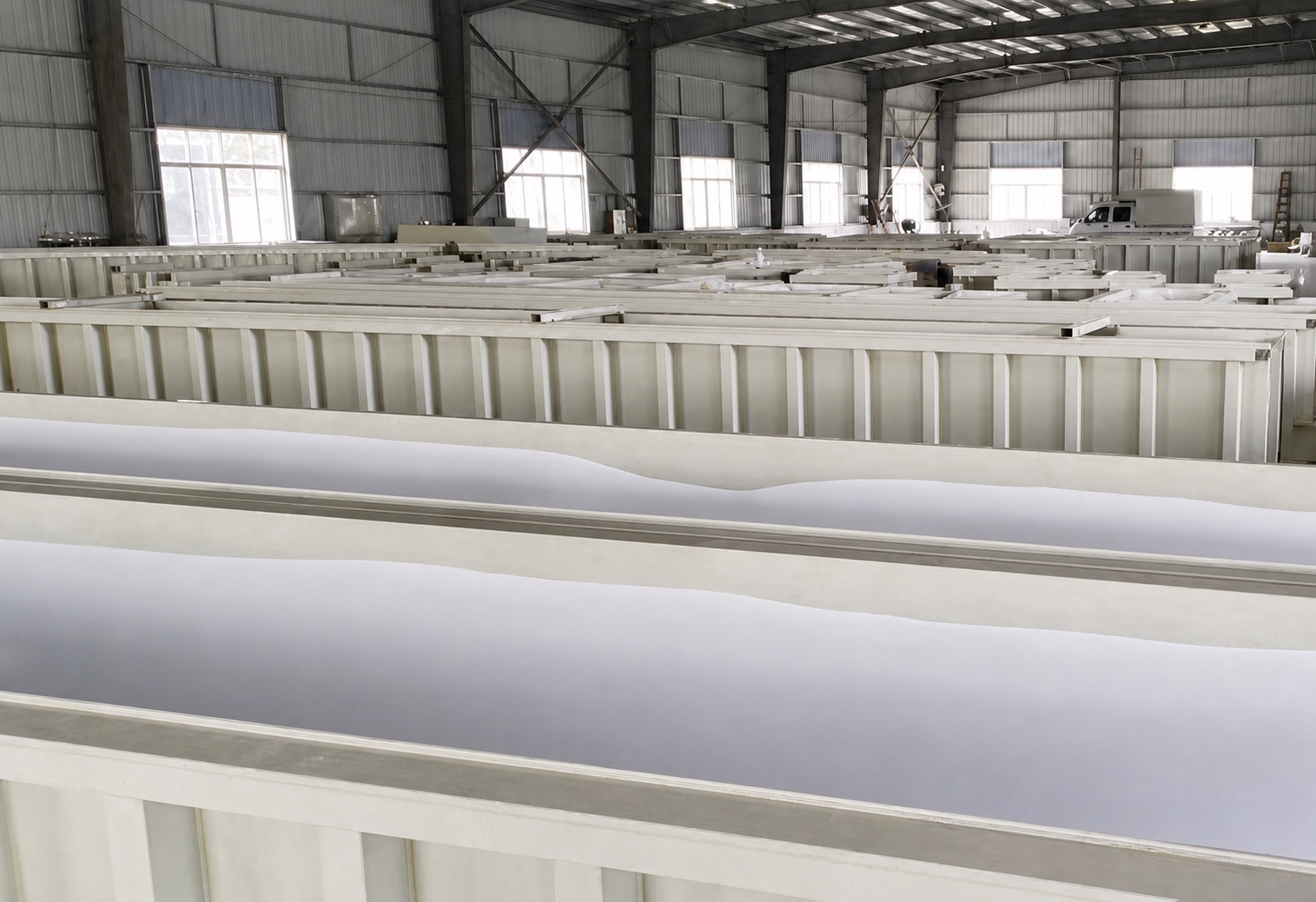
When a QEEHUA confirmation is needed
Request confirmation for PP sheet for sodium hypochlorite dosing equipment when the stated duty, fabrication arrangement, or operating boundary is not fully defined.
Request a QEEHUA review when a project includes continuous contact, an elevated or variable temperature, a concentration outside the available reference entries, mechanical loading, repeated thermal cycling, outdoor exposure, a welded assembly, or a combination of chemicals. Supply the chemical name, concentration, temperature range, exposure type, drawings, thickness target, expected loads, weld details, adjacent-material list, and any applicable project standard.
QEEHUA’s current PP material information describes a polypropylene sheet system intended for industrial applications including acid- and alkali-resistant equipment, wastewater and waste-gas projects, and related fabricated equipment. It should not be read as a sodium-hypochlorite-specific warranty. Confirm the actual project conditions before ordering.
Frequently asked questions
Does PP sheet resist sodium hypochlorite?
Generic PP reference tables include sodium-hypochlorite entries for defined concentrations and temperatures. That does not automatically establish suitability for a QEEHUA sheet or a finished dosing assembly. Confirm the concentration, temperature, exposure route, loading, welds, and interfaces for the specific project.
Can a compatibility table choose the thickness of a PP dosing-tank component?
No. A chemical-reference table does not calculate wall thickness, support spacing, pressure resistance, impact loading, joint design, or thermal movement. The responsible engineer must complete the structural and equipment design review.
What should be sent to QEEHUA for a sodium-hypochlorite equipment enquiry?
Send the chemical concentration and formulation, normal and peak temperatures, exposure type, drawings or dimensions, intended component, thickness target, loading and support information, weld or connection details, quantity, and delivery location.
Prepare a defined sodium-hypochlorite material enquiry
Share the service record, component drawing, expected loading, and chemical supplier information so QEEHUA can review the request against the available PP sheet options.